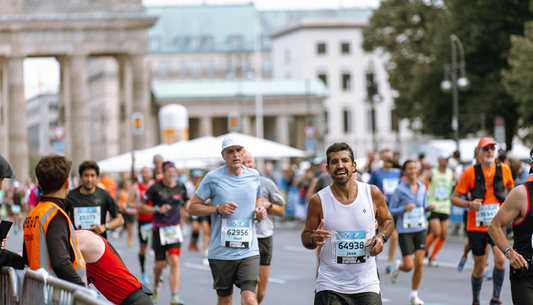

How can a 34g singlet reduce your perceived exertion during a 10K?
In a 10K, how hard you feel you're working isn't just about your fitness. It's also about the race day conditions like heat and humidity. A Performance Running Top that keeps you cool and quiet can make it feel easier.

Small improvements can add up in 10K racing. A lightweight Ultralight Racing Singlet, weighing about 34g, can reduce discomfort. It helps you stay focused and maintain your pace.
NEDAO’s Men’s QiFlow Racing Singlet V5.0 is a great example. It's designed to stay cool and dry, even in humid conditions. This means you can run without distractions, keeping your rhythm steady.
Research shows that how we move affects our body's demands. At the University of Portsmouth, scientists used cameras and sensors to study this. They found that better control in movement can reduce stress and injury risk.
What you eat is important too, but it works best when your gear doesn't distract you. Wearing a lightweight singlet can make these choices more effective, making your run feel smoother.
Why perceived exertion rises in a 10K: race day perceived exertion factors that add up
A 10K is a challenging distance. It's fast but long enough to cause sweat and small irritations. These issues become big problems on race day, making it hard to keep up the pace.
Heat, cling, seam rub, and tugging can seem minor at first. But together, they affect breathing, posture, and rhythm. This makes it feel like you're working harder, even if you're not.

How NEDAO’s 'Inner Lane' philosophy redefines race-day comfort
NEDAO's "Inner Lane" aims to reduce friction and distractions. It helps runners focus on their performance, not their gear. This approach is key to avoiding split-second distractions that slow you down.
Runners want their gear to perform consistently. A good marathon singlet should support steady form and breathing. It should also help make decisions easier, even in tough conditions.
Heat and humidity stress: when cooling becomes a performance limiter
Humidity makes running harder because sweat evaporates slower. This traps heat close to the skin. As your body temperature rises, you need more oxygen and focus to keep up.
A breathable racing singlet is essential on hot days. It helps keep you cool by improving airflow and evaporation. This reduces the feeling of overheating early on.
Fabric cling, sweat saturation, and distraction as hidden “effort multipliers”
When a top gets wet, it can cling and feel heavy. A non-stick running singlet helps prevent this. It allows the fabric to move smoothly, reducing discomfort.
This is important for your running mechanics. Research shows that changes in movement can increase impact forces. This can lead to higher stress and more effort needed.
Chafing, skin irritation, and micro-adjustments that break rhythm and pacing
Chafing often starts as a small issue but can quickly become a big problem. An anti-chafe racing singlet helps by reducing friction. This keeps you comfortable and focused on your performance.
Even small adjustments can disrupt your rhythm. A tug at the hem or a shoulder roll can throw off your pace. Over a 10K, these small issues can add up and affect your performance.
How approx. 34g changes the feel of effort: reduced energy expenditure and lightweight that stays lightweight
A racing top can start feeling very light, but then it can become heavy and uncomfortable. This change can make running feel harder than it should. A good performance running singlet aims to stay comfortable, even when it's hot.

Mass matters most when it absorbs water: dry/wet weight comparison and low water retention
The weight of a top, like approx. 34g (Men’s Medium), is just the beginning. The real issue is how it feels when it gets wet. A top that holds water can feel like a heavy burden.
Low water retention means the top doesn't hold onto sweat. This keeps you feeling light and moving freely. The goal is to stay dry and comfortable, even as you sweat more.
“Built for speed” psychology: when lighter gear reduces perceived load and decision fatigue
Wearing a top that feels light can also boost your mental game. When your top feels like it's not there, you don't have to worry about it. This lets you focus more on your running.
- Less monitoring of cling and damp spots
- Fewer micro-corrections that steal focus
- More confidence to commit when the pace turns
Reducing movement and bounce in soaked fabric: less slap, less tug, fewer adjustments
When fabric gets wet, it can bounce and tug with every step. This can affect your posture and timing. Research shows that unwanted movement can change how you run and increase the impact on your body.
A good performance running singlet keeps you dry and limits bounce. This means less distraction and less stress when you're running hard.
Why lightweight that stays lightweight can feel easier late-race
In the last part of a 10K, you sweat more and it's harder to keep your form. A top that holds water can be very annoying. A lightweight top helps you stay comfortable from the start to the finish.
If the top also keeps you dry, it will feel the same all the way through. This can help you run more efficiently by reducing unnecessary movement and distractions.
The NEDAO Advantage: Marginal Gains in 10K Racing
In a 10K, seconds often come from what you don’t have to manage. Marginal gains in 10K racing are not just about splits. They're about holding cadence, posture, and attention when the pace starts to bite. When comfort reduces fidgeting and mid-stride fixes, effort feels steadier and decisions get simpler.
Research from the University of Portsmouth helps explain why. They used reflective markers, infrared cameras, and a force platform. The team observed that extra movement can shift running form and lead to heavier landings. This principle matters on race day: stabilize what you can, including how fabric interacts with skin, so mechanics stay consistent under stress.
Marginal gains in 10K racing: comfort as a measurable performance input
Think of comfort as a measurable input: fewer adjustments, fewer posture breaks, and a calmer upper body. Each small interruption costs focus and can ripple into stride timing. Over 6.2 miles, those tiny losses add up.
Non-stick running singlet benefits: reduced skin adhesion to keep cadence and posture stable
A non-stick running singlet is not a luxury when sweat spikes; it’s a way to protect rhythm. Reduced skin adhesion means you’re not peeling fabric off your torso or tugging at the hem. That helps keep arm swing consistent and shoulders relaxed, which matters when form is already under strain.
When cling is low, the top is less likely to pull you into a slight hunch or twist during turns and surges. The goal is simple: you notice the course, not your kit.
Anti-chafe racing singlet strategy: minimizing friction points under high sweat rates
An anti-chafe racing singlet strategy starts with where friction usually builds: underarms, along the ribs, and near the neckline. Flat transitions, smart seam placement, and zero-feel bonded construction can reduce hot spots before they become a late-race tax. Small irritation can quietly change how you hold your arms or how often you break concentration to check the sting.
- Minimize raised edges where sweat and salt collect.
- Keep high-rub zones smooth during arm drive.
- Reduce the urge to adjust fabric when pace tightens.
Breathable racing singlet priorities: airflow, evaporation, and “don’t notice it” fit
A breathable racing singlet should treat airflow and evaporation like the engine of cooling. In humidity, the best designs keep ventilation working even when the fabric is wet, so it doesn’t turn into a clingy layer that traps heat. When moisture moves and heat can escape, perceived effort stays closer to the pace you planned.
The “don’t notice it” fit is the final piece. If a top sits smoothly, resists cling, and stays quiet against the skin, it supports the same goal as good pacing: steady input, steady output, fewer distractions.
NEDAO QiFlow V5.0 design elements that target cooling, cling, and zero-distraction
In a humid 10K, fabric sticking and heat buildup are big problems. The Men’s QiFlow Racing Singlet V5.0 is made to stay comfortable. It uses a special structure to keep its feel consistent, even when you sweat a lot.
NEDAO origin story and “Inner Lane” philosophy: eliminating distractions to respect the craft of running
NEDAO started with a painful blister and a runner's drive to solve it. It grew into a brand that focuses on every detail to honor running. This led to the “Inner Lane” philosophy: remove distractions so you can run smoothly.
Studies show that bodies move in complex ways, not just up and down. Discomfort can make you stop exercising. Good gear should fit real motion, like zero-feel seams and side split hem. It also needs reflective marks for safe night runs.
3D yarn micro-structure: point-contact support for reduced skin adhesion
The fabric's 3D yarn helps it sit lightly on your skin. This means less sticking when you sweat a lot.
This design helps avoid the annoying feeling of fabric sticking to you. It stays in place through your movements, not shifting with every step.
Upgraded back QiFlow mesh and active ventilation: approx. 60% airflow improvement vs standard fabrics
Keeping cool is about moving air, not just feeling light. The upgraded back QiFlow mesh boosts airflow by 60% compared to regular fabrics.
This design helps cool you down, even when you're sweating a lot. It keeps you comfortable during intense moments.
Improved airflow when soaked: best cooling running singlet for humidity use-case
Many tops don't breathe well when wet. This design keeps airflow up even when it's wet. It's perfect for hot and humid conditions.
- Best cooling running singlet for humidity needs to perform well when wet, not just when dry.
- A low water retention structure helps prevent sagging and sticking as you sweat.
- Reflective marking and side split hem mobility add practicality without being distracting.
Choosing the best cooling running singlet for humidity: what to look for beyond grams
In humid air, the weight of your clothes matters less than how they feel. The best cooling running singlet for humidity should stay comfortable even when you sweat a lot. It should not feel heavy or clingy.
- Low water retention and an honest dry/wet weight comparison, so “light” stays light after saturation.
- A breathable racing singlet layout with airflow zones that vent even when wet.
- A non-stick running singlet feel that reduces skin grab, so you don’t feel stuck.
- Smooth edges and zero-feel bonded construction to cut friction at key areas.
- Fit that disappears: stable enough to prevent flap and slap, but not tight enough to trap heat.
- Hygiene for repeat use, including SILVADUR™ antibacterial treatment to control odor in hot training.
Clingy fabric can trap warmth and make you adjust your position constantly. That's why a singlet that breathes well is key. You want air to move freely, even when it's hard to breathe.
Chafing can be a big distraction. Look for seams and finishes that stay smooth under sweat and salt. If your singlet rubs, it can change how you run, affecting your performance.
Beyond the Grams: Why the Inner Lane Philosophy Wins in Humidity
In a humid 10K, it feels like you're fighting three battles at once. The Inner Lane philosophy says to cut what you can control. This keeps your pace and form steady.
Choosing the right gear is key. It should be light, not weigh you down. A good performance running top should keep you cool and dry, even when wet.
Too much movement can hurt your running. Studies show it can change how you land and affect your energy use. This is bad news for runners in humid weather.
Less friction and better cooling can make a big difference. The QiFlow V5.0 marathon singlet is designed for this. It helps runners stay focused and cool, even on hot days.
Elevate Your Race Day Strategy: Further Reading
If you’ve felt the difference a 34g ultralight racing singlet can make in lowering your perceived exertion, you’re already thinking like an elite athlete. Optimizing your gear is about more than just comfort; it’s about strategic preparation for the "Inner Lane."
To help you further refine your racing kit and understand why every gram counts when chasing a personal best, we’ve curated two essential guides to deepen your knowledge:
-
Why Should You Care About Your Singlet Weight on Race Day? – Explore the biomechanical impact of weight on marathon efficiency and why "lightweight that stays lightweight" is the ultimate race-day goal.
-
Why Elite Runners Prefer Lightest Racing Singlets? – Go behind the scenes with pro-level insights to see how the world’s fastest runners use minimalist gear to remove distractions and maintain peak performance under pressure.
FAQ
How can an approx. 34g singlet reduce perceived exertion during a 10K?
A lightweight singlet helps in a 10K by managing heat and moisture. It also reduces irritation and distractions. This makes you focus better and run smoother.
What are the main race day perceived exertion factors that add up in a humid 10K?
Heat, moisture, and fabric cling all add up in a humid 10K. These factors make each small annoyance feel bigger. This can slow you down, even if you're running the same pace.
What does NEDAO mean by “Inner Lane,” and how does it help in racing?
Inner Lane is about removing distractions in racing. It helps you focus on your performance, not on your gear. This leads to better pacing and less mental strain.
Why does humidity make a 10K feel harder even at the same pace?
Humidity makes it harder to cool down because sweat can't evaporate well. This means you get hotter faster. A breathable singlet helps keep you cool and comfortable.
How do cling and sweat saturation increase perceived effort?
When fabric clings, it feels heavier and hotter. This makes you adjust your clothes more. These small changes can make you feel like you're working harder, even if you're not.
Is there real science behind the idea that “extra movement” increases demand?
Yes, research supports this idea. Studies show that extra movement can lead to heavier landings and more stress. This can make you feel like you're working harder, even if you're not.
How does chafing affect pacing in a 10K?
Chafing can disrupt your rhythm and posture. Every time you adjust to avoid rubbing, you lose your pace. This can slow you down in the final miles.
Why does “weight matters most when it changes” matter for 10K racing?
Weight matters because it affects how you feel. In humidity, wet clothes can feel heavier. A lightweight singlet that stays dry is key to feeling light and fast.
What’s the dry/wet weight comparison angle for a performance running singlet?
It's not just about the dry weight. How the singlet feels when wet is just as important. Look for fabrics that breathe well and don't cling to your skin.
How can an ultralight racing singlet reduce decision fatigue on race day?
An ultralight singlet means less to worry about. You won't need to adjust it as much. This helps you stay focused and maintain your pace.
How does a non-stick running singlet help mechanics and cadence?
A non-stick singlet means less fabric to adjust. This helps you maintain a smooth stride and arm swing. It's important when you're sweating a lot.
What design features matter most for an anti-chafe racing singlet?
Look for smooth edges and smart design. Bonded construction is best for avoiding irritation. These features help you stay comfortable and focused.
What makes a breathable racing singlet “work” in humidity?
A good singlet keeps you cool even when wet. It should have mesh zones for airflow and avoid cling. This helps you stay dry and comfortable.
What is NEDAO’s origin story, and why does it matter to the QiFlow approach?
NEDAO started with a painful blister. It evolved into a brand focused on improving running. The Inner Lane philosophy aims to eliminate distractions for better performance.
Why is the Men’s QiFlow Racing Singlet V5.0 a strong case study for perceived exertion in humidity?
The V5.0 is designed for hot conditions. It's lightweight, breathable, and has features like bonded construction. These help you stay cool and focused.
How does the 3D yarn micro-structure reduce cling?
The 3D yarn structure provides support without sticking too much. This means less fabric cling and more comfort. It helps you run smoothly.
What does “upgraded back QiFlow mesh” and “active ventilation” mean in real terms?
It means better airflow in the back panel. This helps keep you cool, even when you're sweating a lot. It's important for high-intensity efforts.
Why is “improved airflow when soaked” important?
Many tops don't breathe well when wet. But a good singlet keeps airflow even when it's soaked. This helps you stay cool and focused.
What’s the late-race benefit of a lightweight singlet that stays lightweight?
A lightweight singlet feels easier to wear late in a race. It helps you stay cool and comfortable. This is important when you're feeling tired.
How do marginal gains in 10K racing apply to comfort, not just training?
Small improvements in comfort can make a big difference. Less discomfort means you can run better. It's all about making every step count.
How do fueling and gear work together to shape “how hard it feels” in a 10K?
Fueling gives you energy, while gear helps you perform. The right fuel and gear can make you feel more comfortable. This is important for a good performance.
What IOC-style carbohydrate targets support the marginal-gains mindset in training?
The IOC suggests adjusting carb intake based on your training. This helps you perform better. It's all about matching your fueling to your needs.
What should a buyer’s checklist include beyond grams when choosing a racing singlet?
Look for a singlet that performs well when wet. It should be breathable, comfortable, and easy to move in. Good design and materials matter a lot.
What details on the QiFlow V5.0 support mobility and visibility?
The V5.0 has a side split hem for better movement. It also has reflective details for safety. These features help you perform better and stay visible.
Is a “professional marathon singlet” also good for a 10K?
Yes, the demands are similar. A good marathon singlet can help you in a 10K. It keeps you cool and comfortable, which is key for a fast time.
Tags:
Previous
Why Should You Care About Your Singlet Weight on Race Day?
Next
Why do dark-colored tights show wetness, and how to fix it?