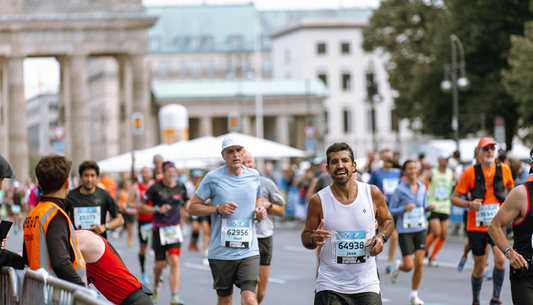

Spring vs. Summer: When should you switch to an ultralight singlet?
In spring, a tee or tank works well at first. But by early summer, it can become a problem. Heat and humidity rise, making it hard to cool down.

As you run, the fabric can cling and feel heavy. By mile 10, it can slow you down. The right gear helps you stay focused in hot weather.
Choosing a performance running singlet is practical, not just about looks. It keeps you cool and focused. For many, it's a key part of their summer gear.
A Non-Stick Racing Singlet is also important. Applying the same yarn mastery used to prevent toe blisters, NEDAO’s non-stick tech now eliminates skin chafing in high-friction zones. Its focus is on small details that can affect your performance in hot weather.
Spring-to-summer signals: heat, humidity, and why your singlet suddenly feels heavier
Spring runs can change quickly. One day your singlet feels light, the next it's like a wet towel. In the U.S., humidity above 70–90% makes moisture-wicking singlets stay wet.
When fabric gets wet, it can slow you down. Runners look for lightweight, smooth summer clothes. They want ones that keep their core cool.

Why coastal-style humidity changes cooling in the U.S.
Coastal humidity is different from dry heat. Even at mild temperatures, the air is full of water vapor. This makes sweat hard to evaporate, leaving your shirt damp and heavy.
Wind can help, but it also keeps wet fabric on your skin. Sun and salt make things worse, drying on your skin and making it rough. A breathable singlet is key for airflow when it's wet.
When sweat stops evaporating, thermoregulation gets harder
Sweat cools you by turning into vapor. But when it doesn't evaporate, you get hotter. You might feel warm and sticky, even at a normal pace.
Good sweat-wicking tech should manage moisture. It should prevent fabric from feeling like a second skin. The best singlet for humid weather is one that doesn't cling or rub when wet.
How rising effort shows up: heart rate drift and “easy pace” feeling harder
Heart rate drift is a sign. You're running easy, but your heart rate goes up. This happens in humid weather because your body is working hard to cool down.
In races, rain, sun, and salt can keep fabric wet. If your top feels heavy and rubs by mile 10, it's time for a lightweight, breathable singlet.
From Non-Stick Tech to Ultralight Racing Singlets: Essential Summer Marathon Racing Gear
On hot, sticky race days, you need gear that stays cool when you're sweating. A Non-Stick Racing Singlet is perfect for when it's humid and your clothes feel sticky. It's designed to keep you comfortable, so you can focus on your race.

What “non-stick” means on the run: reduced skin adhesion and less cling
“Non-stick” in running means your singlet won't stick to your skin when it's wet. This makes running smoother and less tiring. It also means you won't feel like your clothes are fighting you as you move.
It's also good for avoiding irritation at the waistband and underarms. Over time, this can make a big difference as you sweat more.
Why ultralight only matters if it stays light after mile 10
At the start, any ultralight singlet feels great. But by mile 10, it needs to stay light and dry. If it holds water, it can become a heavy burden.
For marathon gear, look beyond just being light. Check how it feels when wet, how it breathes, and if it stays comfortable as you warm up.
Summer marathon racing gear transition: what changes from spring training kits
Summer racing gear needs to handle moisture better than spring kits. It should keep you cool and dry, even when it's hard to evaporate sweat. A good singlet will manage sweat and stay comfortable, even when wet.
- Breathability under saturation so airflow helps even when wet
- Moisture management in humid air to prevent cling and hot spots
- Low water retention so it stays light, even when wet
- Anti-chafe construction to prevent rubbing at sensitive areas
- Odor control for long races when sweat and heat build up
When the weather changes, these features are key. They help your singlet stay comfortable and out of your way, so you can focus on your race.
How to choose a breathable racing singlet for high-output efforts in summer
In real summer weather, the best test is not how fast a top dries on a hanger. It’s how it feels when you’re already soaked and pushing hard. A breathable racing singlet should keep air moving, limit cling, and stay steady against your skin during high-output efforts.
Breathability under saturation: airflow that works even when wet
“Breathability under saturation” means the fabric can hold open air paths even when it’s damp. In U.S. humidity, sweat may not evaporate well, so the singlet can stay wet for long stretches. If the knit collapses, airflow drops and the top can feel heavy and sticky.
A strong moisture-wicking singlet helps through capillary action. It pulls sweat off the skin and spreads it across more surface area. Drying can be slow, but better spread reduces hot spots and that slick, pasted-on feel.
Active ventilation and mesh zoning for core cooling
Look for targeted airflow where you heat up first: upper chest, mid-back, and along the spine line. This is where active ventilation matters most, because movement can keep air cycling even when evaporation is limited. Smart zoning supports core cooling without needing extra fabric or bulky panels.
Purpose-built Qiflow mesh technology is designed around that idea: keep channels open, move air, and avoid a flat sheet of wet material. The goal is steady comfort at pace, not just a lab-style “breathable” claim.
Beyond basic moisture-wicking: NEDAO's advanced technical approach
NEDAO’s Inner Lane approach focuses on reducing small distractions that drain focus in the heat. That includes managing cling, smoothing contact points, and keeping the fit stable as sweat and salt build. It treats sweat-wicking technology as a system, not a single finish.
A key piece is 3d yarn micro-structure. By creating tiny gaps and point contact, it helps maintain air channels and reduces broad fabric-to-skin adhesion. Paired with mesh zoning, it frames performance as airflow first, then drying—so the singlet stays race-ready when summer turns heavy.
- Airflow under wet load: fabric that resists flattening when saturated
- Mapped ventilation: mesh where heat rises to support core cooling
- Capillary control: a moisture-wicking singlet that manages wetness and skin feel
- Structure that holds shape: 3d yarn micro-structure plus Qiflow mesh technology for active ventilation
Water retention is the hidden problem: low water retention fabric and wet-to-dry weight ratio
In muggy air, sweat doesn't evaporate fast. It stays on your skin and inside your top. This makes a race kit feel like work. For summer marathon racing gear, it's not just about being light at the start.
Why “lightweight” can become “drag” in high humidity and surprise rain
A lightweight singlet can turn heavy when it soaks up moisture. In high humidity, damp fabric can sag and cling. Add coastal mist or a quick rain shower, and it can get wet fast.
This wet cling also changes how the fabric moves against you. Wind and arm swing press the material into the skin. This can raise abrasion risk. When a top stays wet for hours, it's hard to ignore, even if your pacing is solid.
What to look for in low water retention structure during long efforts
The goal is a low water retention fabric that resists “holding” sweat and rain. It should shed moisture and stay smooth under saturation. This helps limit hot spots as the miles add up.
- Surface feel under wet load: less tacky contact that reduces cling and bunching.
- Stable drape: minimal sag so the fabric doesn’t pull at the neckline or armholes.
- Quick shed behavior: moisture moves off the fabric instead of parking there.
- Lower wet-to-dry weight ratio: less weight gain when conditions turn sticky.
How reduced water load can support reduced energy expenditure
A lower wet-to-dry weight ratio isn’t just a lab number. Less absorbed water means less tug with each arm drive. This can support reduced energy expenditure during long efforts by keeping your kit from becoming a small, constant drag.
When weather turns heavy, the right high humidity running gear can help protect decision-making. If your lightweight singlet stays light, you can focus on splits, hydration timing, and staying calm through the rough patches that often show up late in summer marathon racing gear conditions.
NEDAO’s Inner Lane approach to summer running apparel and blister-free focus
NEDAO was founded on a simple idea: the fastest days are those without small annoyances. The NEDAO Inner Lane spirit focuses on technical yarn mastery. It aims to eliminate the tiny issues that distract us mile after mile.
Summer running apparel is key when heat makes small issues big. A wet top can cling, shift, and rub, taking your focus away from your run.
The first challenge was preventing blisters. The right yarn, structure, and fit are essential under sweat and pressure. This attention to detail now applies to an anti-chafe racing singlet, designed to stay comfortable even in harsh conditions.
To bring this precision to a singlet, the goal is to reduce skin adhesion without feeling slippery or unstable. This ensures smooth movement at key areas like the neckline and arm openings.
Friction control is critical as sweat and salt build up over long distances. Salt can make damp fabric rough, and wind keeps wet fabric rubbing against the skin for hours, affecting performance.
- Less cling so the fabric doesn’t slap or bind when it’s saturated
- Smoother contact as moisture and salt accumulate during the final third
- Steadier focus that supports long-run focus instead of mid-run fixes
The connection between blister prevention and marathon gear is clear: remove repeat irritations. This lets runners stay focused on their pace, discipline, and breathing rhythm, even in summer's heat.
QiFlow Racing Singlet V5.0: a professional marathon singlet engineered for summer conditions
U.S. summer heat can turn a simple run into a challenge. The QiFlow Racing Singlet V5.0 is made to keep you focused. It's designed for hot, humid weather and heavy sweat.
Approx. 34g lightweight singlet (Men M dry weight) and why baseline weight matters
The 34g lightweight singlet is key in humid weather. It starts off light, making it feel less heavy before it gets wet.
This singlet is made to keep you dry and light. It's perfect for long runs, even when the weather changes.
3D yarn micro-structure for point-contact support and reduced skin adhesion
The 3d yarn micro-structure offers support without feeling heavy. It reduces the clingy feel that sweat can cause.
This design means fewer distractions during long runs. It helps you stay focused and maintain your form.
QiFlow mesh technology with approx. 60% airflow improvement vs standard fabrics
qiflow mesh technology boosts airflow by 60% compared to regular fabrics. It helps cool you down in hot, humid air.
This technology keeps you cool and dry. It's essential for staying comfortable during summer races.
SILVADUR™ antibacterial treatment for odor control and long-run freshness
SILVADUR™ antibacterial treatment fights off odors. It keeps you fresh during long workouts and travel.
This feature is great for runners who like to travel light. It makes your singlet last longer, no matter the activity.
Chafing prevention: what makes an anti-chafe racing singlet work when soaked
Chafing gets worse when your clothes are wet. Sweat, rain, and wind make wet fabric rub against your skin. This can turn small rubs into painful burns.
As salt dries and builds up, your skin can feel rougher. So, a good running singlet needs to handle friction for hours without getting worn down.
Zero-feel bonded construction vs traditional stitching in high-friction zones
Traditional stitching can cause raised edges that start to bite when fabric is wet. A seam that felt fine at the start can become sharp later on.
That's why zero-feel bonded construction is important. It keeps seams flat and quiet. This helps the fabric move smoothly, not stick, even when it's wet.
Where chafe starts: armholes, neckline, and side seams under sweat load
Chafe often appears in areas that move a lot, like armholes, the neckline, and side seams. These areas move a lot, making chafe worse when your singlet is wet.
On race day, treat these spots like high-friction zones. Use four bib pins to spread out the tension and prevent flutter. Also, be careful with hydration straps to avoid hot spots.
Side split hem mobility for stride freedom when fabric is wet
Wet fabric can feel stiff and bunch up at the hips. Side split hem mobility helps keep your stride long by moving with your hips.
For an anti-chafe racing singlet, this freedom is key. It reduces rubbing and keeps your skin from sticking to the fabric, even in changing weather.
Seasonal transition gear strategy: how to layer around a performance running singlet
Starting with a performance running singlet is key for smart seasonal gear. In late spring and early summer, you'll want to keep it simple. Wear your singlet as the base layer. Add a wind layer when it gets cool or windy.
This setup helps sweat move freely and prevents that heavy, trapped feeling. It's a big problem in humid weather.
For long runs and races, the rule is simple: stay ready without bulk. If the weather looks iffy, carry an ultralight rain jacket. It should be small enough to fit in a waist belt or vest.
A breathable shell can block wind and rain. It keeps you dry until the temperature drops after a storm.
By the coast, keep it simple. Wet fabric can be a problem, causing friction at the underarms and neckline. Choose outer layers that slide over your singlet easily. This way, they won't cling or twist as you sweat.
Before the big day, test your gear the real way. Run for 60 to 120 minutes with a wet singlet. Then, add your wind layer or rain jacket mid-run.
Watch for cling, seam rub, and any pull at the side hem. A dry check can't tell you how it feels when wet.
Engineering for the Inner Lane: Summer Performance Briefing
As the heat intensifies, the gap between "good enough" gear and professional-grade apparel becomes a performance-altering factor. At NEDAO, we analyze the thermal load and mechanical drag that impact every stride. Dive into our latest technical guides to understand the science of staying light when the humidity turns heavy.
-
[Read: How to choose a racing singlet for high-humidity coastal marathons?]
-
[Read: How can a 34g singlet reduce your perceived exertion during a 10K?]
FAQ
When should you switch from a spring kit to an ultralight racing singlet?
Switch when your spring top feels heavy in heat and humidity. This often happens in coastal areas with high humidity. If your shirt clings too much and feels heavy by mile 10, it's time for a lightweight singlet.
Why does coastal-style humidity make my singlet feel heavier even at normal paces?
High humidity stops sweat from evaporating. This means sweat stays on your skin and makes the fabric heavy. The fabric's weight increases, causing it to cling and feel heavy as you run.
What are the real race-day problems an ultralight singlet helps solve by mile 10?
Common issues include fabric weight, cling, and friction. These problems distract you from your pace. A lightweight singlet helps keep you cool and focused.
What does “non-stick running singlet” mean in runner terms?
“Non-stick” means the singlet doesn't cling to your skin. This is important in humid conditions to avoid drag and discomfort.
Why does thermoregulation get harder when sweat stops evaporating?
Evaporation is key for cooling. In humid air, it slows down. This makes it harder to cool down, even at the same pace.
What performance signals show up when heat stress rises in humid races?
Runners may notice their heart rate goes up and they feel more tired. This happens when it's hard to cool down, usually after getting wet.
How do wind, sun, and surprise rain make cling and chafing worse?
Wind and rain make wet fabric cling to your skin. Sun and salt can make sweat dry on your skin, causing friction. This makes running uncomfortable.
Why is “ultralight” only meaningful if the singlet stays light after mile 10?
A professional racing singlet like the QiFlow V5.0 focuses on low water retention, ensuring it stays close to its dry weight even when saturated.
What should change in a summer marathon racing gear transition?
Look for gear that breathes well, manages moisture, and stays light. It should also control cling and odor. This helps you stay focused during long runs.
What is “breathability under saturation,” and why is it the key summer requirement?
Breathability means the singlet keeps air moving even when wet. In humid weather, drying is hard. Good airflow is key for cooling.
Why does mesh zoning matter for core cooling?
Mesh zones help keep air moving in hot areas. This supports cooling during intense efforts. It keeps your core cool even when you're sweating a lot.
Does moisture-wicking really matter when the air is humid?
Yes, it does. Moisture-wicking fabrics help move sweat away from your skin. This prevents the sticky feeling that comes with humidity.
What is the hidden performance penalty of water retention in a singlet?
Water retention makes the singlet feel heavy and clingy. This can slow you down and make running uncomfortable. It's a hidden problem in humid races.
What should runners look for in low water retention structure and wet-to-dry weight ratio?
Look for fabrics that resist water and stay light. This means less drag and discomfort. It's important for high humidity races.
How can reduced water load support reduced energy expenditure over 26.2 miles?
Less water means less drag and discomfort. This helps you conserve energy and stay focused. It's key for long races.
What is NEDAO’s “Inner Lane” philosophy, and why does it matter in summer running apparel?
NEDAO focuses on eliminating blisters with technical yarns. The Inner Lane philosophy aims to remove distractions. In summer, this means controlling cling and keeping you cool.
How does blister-prevention logic translate to a friction-reducing singlet?
The same attention to detail applies to reducing friction. This is important in humid races to avoid irritation. It helps you stay focused on your run.
What is the purpose of the QiFlow Racing Singlet V5.0 in the summer kit?
The QiFlow Singlet V5.0 is designed for hot weather and heavy sweat. It helps you stay focused in humid conditions.
Why does a 34g lightweight singlet (Men’s size M, dry weight) matter?
A lightweight singlet helps you stay cool and comfortable. It's important to choose one that stays light even when wet.
How does a 3D yarn micro-structure help reduce cling in humid races?
The 3D yarn structure creates gaps that reduce cling. This makes the singlet feel smoother and more stable in humid conditions.
What is QiFlow mesh technology, and why is airflow so important in high humidity?
QiFlow mesh technology improves airflow by about 60%. In humid weather, better airflow is essential for cooling. It helps you stay comfortable.
Why does SILVADUR™ antibacterial treatment matter for long-run freshness?
SILVADUR™ keeps you fresh in humid conditions. It's important for long runs and travel, when you may wear the same gear multiple times.
Why does chafing intensify when a singlet is soaked?
Wet fabric and wind can cause friction. Add salt and sun, and it can feel even rougher. A good singlet should stay comfortable even when wet.
How does zero-feel bonded construction help compared to traditional stitching?
Zero-feel construction avoids irritation in wet conditions. It's better than stitching, which can cause discomfort when wet.
Where does singlet chafe usually start during a humid marathon?
Chafing often starts in the armholes, neckline, and side seams. These areas get stressed when the fabric clings or bunches.
Why does a side split hem matter for mobility when fabric is wet?
A side split hem helps with movement and stride. It prevents bunching and friction, making long runs more comfortable.
Any practical race-day tips to reduce friction with bibs and hydration gear?
Use four bib pins to avoid tugging. Manage hydration straps to prevent friction. These tips help you stay comfortable during the race.
What’s the simplest layering approach around a performance running singlet in warm, humid weather?
Start with a lightweight singlet and add a wind layer as needed. Keep layers minimal to avoid moisture buildup. A thin shell should fit smoothly over the singlet.
How should you test a singlet for humid race conditions before race day?
Test the singlet in wet conditions for 60–120 minutes. Check for cling, twisting, and chafe. This ensures it's suitable for humid races.
Tags:
Previous
How to carry a large phone and a soft flask without the "bounce"?
Next
Why do elite trail runners prefer half tights over traditional split shorts?