
Why Elite Runners Prefer Lightest Racing Singlets?
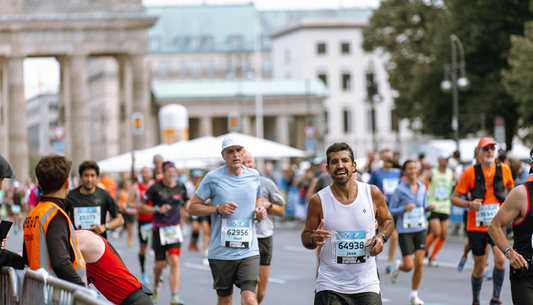
Race day is sacred for serious runners. The wrong top can feel loud when the pace is sharp. That's why many pros choose a Lightweight running singlet. It's built to disappear when effort is highest.
Elite performance experts often tell Runner’s World the goal is simple. You “don’t want to notice it at all.” If you never think about your singlet mid-race, it's doing its job. In that moment, an ultralight racing singlet isn't style. It's focus.

Singlets are part of an elite marathon racing kit because they're engineered for speed. A close cut reduces drag. Breathable yarns move heat and sweat fast. The lightest running singlet also cuts bulk, so fabric won't flap, cling, or rub when miles start to bite.
This is where NEDAO centers the conversation. Its Inner Lane philosophy started with one blister and a runner’s refusal to accept small irritations. That mindset became a performance lab where stitch choice, seam placement, and yarn feel are tested for flow.
NEDAO also treats “ultralight” as a measurable standard, not a slogan. At 30g in Men’s M, the brand chases world’s lightest racing singlet territory. Just as important is wet weight—how the top feels after it absorbs sweat—paired with a fast-drying build meant to stay light when the race turns humid.
Why racing singlet running gear beats a regular running shirt on race day
Race day is a mix of excitement and focus. You need gear that's simple, not too soft. A lightweight singlet is made for racing, unlike most running shirts.

As you pick up speed, small things matter more. Racing singlet gear aims to cut out extra fabric and seams.
Minimal coverage keeps you cool under pressure. It also means less sweat, making you feel steady at the end.
Minimal, streamlined coverage that reduces drag and distraction
A racing cut hugs your body, stopping fabric from flapping. This shape cuts down on drag and motion waste, helping you move faster.
Compared to loose tees, lightweight singlets have thinner fabric and tighter arm holes. This means less bounce and fewer rub spots, even when you're running hard.
Race-focused function: built to be “unnoticeable” when effort is highest
Leading apparel designers told Runner’s World that on race day, you shouldn't notice your singlet. If it's unobtrusive, it's doing its job. This is why racing singlets have simple necklines and clean hems.
An ultralight running singlet is designed to be quiet. It stays put, dries quickly, and doesn't distract you when you're breathing hard.
Bib-ready importance: the singlet as the garment you pin your number to
The bib is a key part of the race ritual. The top must support it well. World Athletics rules require bibs to be visible, which means fit and stability are key.
- A smooth front panel helps pins sit flat without puckering.
- A close fit keeps the bib from swinging and tearing at corners.
- Governing-body marking limits, like USATF logo size rules, also make clean placement easier on a purpose-built racing singlet running top.
That's why many runners choose a lightweight singlet for races. It's the gear you expect to perform flawlessly, from start to finish.
Lightweight Running Singlet: The Professional Racing Singlet for Marathon Success
A marathon can make small issues seem big. A Professional racing singlet for marathon success is about feeling calm and fast when things get tough.
For athletes aiming for a fast time, the best racing singlet for marathon day is one you forget about after the first mile. This "barely there" feeling helps keep focus when the pace gets intense.

Why grams matter over 26.2: less fabric, less swing, fewer hotspots
Extra fabric can flap and rub over 26.2 miles. Fewer grams mean less swing and fewer hotspots.
This is key for technical running singlets for sub-3 runners. A slim fit reduces drag and keeps your stride clean.
Wet Weight is the real test: sweat saturation and how it changes feel mid-race
Dry weight looks good, but wet weight matters at mile 18. Fabric that holds sweat can cling and cool unevenly, becoming a heavy burden.
NEDAO aims for a dry weight of 30g (Men’s M) and a wet weight advantage. This difference helps you stay light, even as the course and weather add pressure.
The “zero-gravity feel running gear” effect: staying fast when fatigue is loud
In fast road racing, some runners prefer no top at all. A singlet is the practical choice, keeping the kit race-legal and allowing for bib pinning.
When the fit is right, zero-gravity feel running gear offers mental ease. This is why many test a Professional racing singlet for marathon before race day.
For technical running singlets for sub-3 runners, the goal is simple. Fewer cues, fewer hotspots, and a smoother rhythm when fatigue hits.
Breathable racing singlet for hot weather and moisture-wicking singlet for humid races
Heat can make a fast pace feel like a battle for comfort. A breathable racing singlet is designed to let air flow quickly. This helps your skin release heat instead of trapping it.
Breathability and ventilation: body-mapped airflow where runners overheat most
Top race kits don't just add vents anywhere. They focus on areas where you sweat the most, like under the arms and down the back. This is where the mesh or micro-perforations are placed.
Runner’s World talks about how top-tier racing brands use digital design and wear-testing. They pinpoint hot spots and add more holes in the chest and back. InsideHook also points out singlets with ventilated backs. These are perfect for when you're really pushing yourself.
Moisture-wicking + fast drying: staying cooler by moving sweat off the skin
A moisture-wicking singlet pulls sweat away from your skin and spreads it out. This thin layer dries fast, helping you stay cool. It also prevents the fabric from sticking to you.
Polyester and synthetic blends are popular for race gear. They're light, don't hold water, and dry quickly. This is key when it's humid and every drop of sweat counts.
Advanced Fabric Engineering: How NEDAO utilizes specialized technical blends to ensure a near-instant dry time.
NEDAO uses advanced fabric engineering and special blends for quick drying. They aim to reduce the feeling of trapped sweat. This means no heavy patches, sticky fabric, or feeling weighed down with each step.
An ultralight racing singlet is more than just light. It's about staying cool in tough conditions. It ensures good airflow, evaporation, and fit from start to finish.
Chafing-free racing singlet design: fit, seams, and race-length details that elite runners demand
A chafing-free racing singlet is not just a comfort feature. In races, the same arm swing happens thousands of times. Sweat can turn small rub points into real skin damage.
Elite runners see fit, seam placement, and fabric feel as key performance features. A good lightweight running singlet stays quiet against the body, even when pace and humidity rise.
Racerback mobility helps reduce friction and improve form. It opens the shoulders and upper back, supporting a free arm drive. This prevents fabric from rubbing against the underarm zone.
For long races, this freedom is as important as ventilation. It keeps stride mechanics natural, even late in the race. This is why it's a key feature in the best racing singlet for marathon setups.
Race-length fit is what sets a good singlet apart from a great one. Runner’s World notes that the hem should hit the top of the shorts with about an inch of extra coverage.
Going longer can cause fabric to bunch and scratch. Going too short can expose more midriff than you want. The goal is a fit that's not too tight, so the lightweight running singlet stays stable without feeling restrictive.
Softness and friction control are key, noticed after mile 10. Smooth yarns, low-profile seams, and clean edge finishes remove scratch points before they become blisters.
- Wicking that works under pressure, so wet fabric doesn't cling and rub
- Print areas that stay flexible, as some graphics can turn stiff or glossy and add irritation
- Seam strategy that avoids hotspots around the neck, armholes, and ribs
This approach aligns with NEDAO’s origin: the “Inner Lane” pursuit that started by eliminating a small irritation—a single blister. It means treating every rub point as something to engineer out. So, the best racing singlet for marathon feels calm when the race gets loud.
NEDAO’s “Inner Lane” philosophy: born from eliminating the smallest distractions
NEDAO's "Inner Lane" idea focuses on keeping your mind on pacing, breathing, and form. Even a small rub can feel overwhelming when you're giving your best. A good lightweight singlet should stay quiet, even when the race is tough.
Origin story: a runner’s pursuit to remove tiny irritations—starting with a single blister
A runner started NEDAO because of a persistent blister. This small issue showed a bigger problem: gear that distracts. NEDAO saw it as a chance to create a top-notch racing kit.
The "Inner Lane" idea is simple. It aims to remove any friction, stop fabric from flapping, and avoid feeling heavy when wet. The goal is to make the top feel unnoticeable under stress, when every mile demands focus.
Performance-driven lab mindset: every stitch and yarn engineered for focus and flow
NEDAO works like a performance lab. They focus on reducing rubbing and choosing fabrics for airflow and sweat transfer. For elite runners, they prioritize a stable fit and low distraction over extra features.
- Seam mapping to keep high-friction zones clean during arm swing
- Moisture control to limit cling and the mid-race “wet weight” drag
- Race-day simplicity so the singlet stays out of your head when effort peaks
Athlete feedback loops: wear-testing insights shaping patterns, ventilation, and comfort
Real progress comes from repeat wear-testing, not guesswork. Runner’s World has shown how teams use athlete input to guide design. They validate changes through wear-tests and fit scaling across body types. Professional running labs also emphasize sending samples into the field to confirm comfort issues are solved before finalizing a piece.
This loop is key because race gear is psychological, too. When your kit feels right, you feel more confident. The right elite marathon racing kit starts with a lightweight singlet that feels familiar and earns trust through long runs and hard sessions.
In practice, that's why technical running singlets for sub-3 runners focus on repeatable comfort. They have patterns that stay put, ventilation that matches effort, and a finish that won't distract when the pace is sharp.
QiFlow ultralight racing singlet lineup: world’s lightest racing singlet goals, wet-weight advantage, and race-day
NEDAO created the QiFlow lineup with a simple goal. They wanted to make an ultralight racing singlet that feels like nothing when you're racing. They aimed for a dry weight of 30g for Men’s M, which is 50% lighter than competitors.
The real challenge isn't just the dry weight. It's how the singlet performs when you're wet. QiFlow excels in wet conditions, with a wet weight of 114g vs 218g. This means it stays light and comfortable even when you're sweating a lot.
The series offers four options: Tough Cookie Limited Collection - QiFlow Racing Singlet, Men's QiFlow Racing Singlet - VORTEX, Men's QiFlow Racing Singlet V4.0, and Women's QiFlow Racing Singlet - VORTEX. Each is designed to be lightweight, aerodynamic, and breathable. This makes it perfect for race day, allowing you to focus on your performance.
For marathons, the right singlet can make a huge difference. QiFlow is designed to manage heat, handle moisture, and reduce friction. It's the perfect choice for marathon runners, providing comfort even when you're exhausted.
Elevate Your Race Day Kit
Finding the perfect singlet is only the first step toward a personal best. Complete your elite setup by exploring our deep dives into performance engineering and long-distance essentials.
-
How a Good Racing Singlet Can Improve Race Performance? Beyond weight, discover the aerodynamic and thermoregulatory science that transforms a simple top into a high-speed performance asset.
-
What Makes the Best Running Tights with Pockets for Long Runs? Eliminate bounce and storage distractions. Learn how we engineered the perfect balance of compression and utility for sustained efforts.
FAQ
Why do elite runners choose a racing singlet running top instead of a regular training shirt on race day?
Elite runners pick race tops for their special design. These tops are made to reduce distractions and improve comfort during peak effort. They are lightweight, breathable, and focus on moisture, unlike regular shirts.
What makes minimal coverage so important in the best racing singlet for marathon racing?
Minimal coverage helps runners move faster and more smoothly. Racing singlets are made with thin fabrics and aerodynamic designs. This reduces drag and saves energy, which is key when racing at marathon pace.
What does “race day is sacred” mean, and why should a singlet feel “unnoticeable”?
Runner’s World notes that for elite gear, the primary attribute is the primary attribute is that you “don’t want to notice it at all.” If you never think about your singlet during a race, it’s doing its job. That “unnoticeable” feel is why technical running singlets for sub-3 runners focus on low-bulk seams, clean edges, and stable fit.
Why are racing singlets considered race-critical gear, not just another top?
Singlets are designed for competitive contexts with features like aerodynamic structure, lightweight breathable fabrics, and moisture management. The goal isn’t daily convenience—it’s optimized performance and fewer problems over hard efforts, which is critical in elite marathon racing.
Why does bib-ready design matter so much in a professional racing singlet for marathon events?
Designers also point out the singlet is “the thing you pin your number on” which gives it a unique importance in routine-driven race-day rituals. A bib-ready chest area needs to sit flat and stay stable so pins don’t pull, bounce, or twist when effort climbs late in the race.
What do race rules say about bib placement—and how does that affect singlet choice?
Under World Athletics rules, athletes generally must wear two bibs visibly on the front and back (with exceptions for jumping events). That requirement reinforces why racers choose a stable, competition-ready garment that can hold bibs securely without sagging when wet.
Are there logo limits for competition singlets?
Yes. USATF guidelines allow the manufacturer logo once on the front in a rectangular form, with a maximum size of 30cm², lettering max height 4cm, and total logo max height 5cm. Club logos can be up to 40cm² with specified placements, which is why many race singlets keep branding compact and rule-aware.
Why do grams matter over 26.2 in the lightest running singlet category?
Weight reduction and efficient fit help runners maintain form and focus under intense effort. Less material can mean less “swing,” less drag, and fewer friction points that can turn into hotspots over marathon distance—exactly why an ultralight racing singlet is built around minimalism and tailored efficiency.
What is “wet weight,” and why is it the real test for an ultralight running singlet for race day?
Wet weight is how heavy—and how clingy—a top feels once it’s saturated with sweat. Moisture-wicking pulls sweat off the skin for evaporation, but the real race-day differentiator is how the garment performs mid-race when soaked, because weight gain and cling can increase discomfort and distraction at the worst time.
What is NEDAO’s key ultralight USP for racing singlets?
NEDAO targets an ultralight dry weight of 30g for Men’s M, positioned as 50% lighter than rivals. The brand also emphasizes a wet-weight advantage—114g vs 218g—because sweat saturation is where many tops start to feel heavy, sticky, and mentally loud.
What does “zero-gravity feel running gear” mean in real marathon terms?
It’s the sensation that nothing is pulling, flapping, or sticking as fatigue rises. InsideHook captured the mindset in a Brooklyn Mile race-day kit story: in very fast road racing, you’d “prefer to be wearing no top at all,” but a singlet is the practical solution for bib needs—so the best designs chase that barely-there, distraction-free feel.
Why is a breathable racing singlet for hot weather different from a normal lightweight top?
Racing singlets are built to improve air circulation and temperature regulation during intense efforts, not just feel comfortable at easy pace. They often use lightweight fabrics plus deliberate ventilation placement to keep heat from building under sustained speed.
How does body-mapped ventilation work in a high-performance racing singlet?
Strategic ventilation can include mesh panels or perforations placed in high-sweat zones like the underarms and back. Runner’s World describes how high-performance design uses and wear-testing to body-map vulnerable overheating areas, with concentrated perforations down the back/front and across the chest—illustrating why targeted airflow beats random venting.
How does a moisture-wicking singlet for humid races actually work?
Moisture-wicking fabrics pull sweat away from the skin and spread it across the surface so it can evaporate faster. This supports cooling, a drier feel, and reduced chafing over sustained efforts—essential in humidity, where sweat lingers and turns fabric clingy.
Why are polyester and synthetic blends so common in technical running singlets?
They’re popular because they’re thin, light, and moisture-wicking, and they dry faster than cotton. This combination helps a racing singlet stay cooler and less saturated, which matters more as pace increases and conditions get hotter.
How does NEDAO approach fast drying and “near-instant dry time”?
NEDAO positions its approach as advanced fabric engineering, leveraging technical textiles expertise to optimize fast-drying performance. The aim is to align with the “Inner Lane” goal: reduce sensory distractions caused by trapped sweat, cling, and heavy saturation during hard racing.
Why is chafing prevention a design requirement in a chafing-free racing singlet?
In competitive conditions, repeated arm swing and sweat amplify friction, so chafing control isn’t a bonus—it’s fundamental. Racing singlets use moisture management, precise fit, and streamlined construction to reduce rub points that can derail focus over long distances.
How does racerback mobility help performance in a lightweight racing singlet?
Racerback designs enable greater shoulder and upper-back freedom, supporting unrestricted arm movement. This mobility also reduces chafe risk by keeping fabric from bunching around the shoulder line during long runs and high-intensity efforts.
What is “race-length” fit, and why does it matter for marathon singlets?
Runner’s World quotes Technical product experts describing “race length” as avoiding extremes—ideally the seam hits the top of the shorts with about an inch of extra coverage. Too long can bunch and chafe; too short can expose more belly than some runners prefer, which is a problem when form changes late in the race.
Why can excess fabric cause chafing and distraction at speed?
Paul Yeh notes that loose fabric hanging while running can chafe and scratch. The goal is “fitting—but not too tight,” so the top doesn’t flap, fold, or create friction when cadence rises and sweat increases.
What fabric-feel details do elite runners look for in a professional racing singlet?
The professional design checklist highlights softness, strong wicking, no chafing, and smart material behavior for printing—because some prints can turn stiff or glossy and add irritation. The best race tops feel smooth under motion and stay quiet against the skin over hours.
What is NEDAO’s “Inner Lane” philosophy?
NEDAO is born from a runner’s relentless pursuit to eliminate the smallest distractions—starting with a single blister. It has evolved into a performance-driven lab mindset where every stitch and yarn is engineered for focus and flow, so the runner can stay locked into pacing, breathing, and form.
How does NEDAO translate “Inner Lane” into real product intent?
The goal is to strip away anything that pulls attention away from the race: reduce friction points, avoid heavy saturation feel, and create a top that stays “unnoticeable” under stress. In practice, that means careful seam strategy, fabric selection, and fit discipline aimed at flow-state running.
How do athlete feedback loops shape modern racing singlets—and how does NEDAO fit that standard?
Runner’s World describes a common elite-apparel process: gather athlete insights, turn them into design briefs, then validate changes through wear-testing and fit scaling across body types. Rabbit also sends samples to runners for field testing to confirm comfort issues like chafing and fit are resolved—showing why real-world testing is a baseline for serious race kits.
What is the QiFlow series, and how does it express NEDAO’s race-day focus?
QiFlow is positioned as NEDAO’s race-day expression of the “Inner Lane” philosophy—leveraging technical textile expertise and athlete feedback to remove unnecessary grams and deliver an ultralight, competition-built experience. It’s designed for runners who want a lightweight singlet that stays calm when the race gets loud.
Which four QiFlow models are in the ultralight racing singlet lineup?
The lineup includes Tough Cookie Limited Collection - QiFlow Racing Singlet, Men's QiFlow Racing Singlet - VORTEX, Men's QiFlow Racing Singlet V4.0, and Women's QiFlow Racing Singlet - VORTEX.
What should runners prioritize when choosing the best racing singlet for marathon conditions?
Focus on what happens after mile 10, not just what feels good at the start: bib stability, aerodynamic minimal coverage, heat management, moisture handling, and friction control. In marathon reality, the most meaningful metric isn’t only dry weight on a scale—it’s how the singlet performs once sweat-soaked, when wet weight, cling, and late-race fatigue can turn small irritations into big problems.
Tags:
Previous
What Makes the Best Running Tights with Pockets for Long Runs?
Next
When Should Runners Choose Half Tights Over Full-Length Tights?