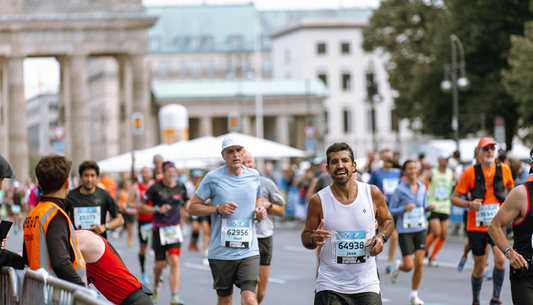

When Should Runners Choose Half Tights Over Full-Length Tights?
Deciding between half tights and full-length tights can greatly affect your run. The right choice depends on the weather, your goals, and how much you dislike mid-run adjustments. With a few simple rules, choosing half tights can become a smart default.
Many runners use temperature as a guide: wear shorts above 50°F. Below 50°F, half tights are better, even if it's just a bit chilly. For quick runs, some prefer half tights at 60°F, as warm legs help with speed.
On speed days, it's wise to choose slightly warmer tights. Tight hamstrings can ruin your workout. That's why men often choose half tights for track work and early-morning runs. They offer the right amount of coverage and airflow.

Distance also plays a role. For runs over 10 miles, chafing can be a big issue. Half tights are often preferred for long races because they reduce rubbing and discomfort. They fit smoothly and don't cause irritation.
Look for tights that are smooth, breathable, and don't distract you. A mild compression feel is also beneficial for a snug fit and better stride. This is why professional marathon runners choose half tights: they offer a streamlined, distraction-free experience.
How Half Tights and Full-Length Tights Differ for Runners
Choosing between tights lengths is less about style and more about how your body handles heat, friction, and range of motion. For half tights running, the goal is often a clean, close fit that stays steady as pace and sweat build.

For many athletes, mens running half tights feel like the simplest option when conditions shift mid-run. You get support where it counts, with less fabric to manage when you’re moving fast.
Full-length and 7/8 tights cover the calves and ankles, which helps in cold air and early-morning starts. Half tights usually land around mid-thigh, so they trade some warmth for better airflow.
On sticky summer days, breathable half tights for humid runs can feel noticeably cooler, even when the sun is up. They also dry faster, which matters when sweat starts to pool.
A good tight should feel comfortably snug, like a second skin, without tugging at the hips or pulling at the knee. That “locked-in” feel supports smooth mechanics, so your stride stays natural even late in a workout.
Because there’s less material around the knee, half tights running often feel freer during quick cadence changes and hill repeats. The waistband matters too: it should sit flat and stay put when you breathe hard.
Chafing is where details decide the run. Flatlock seams, clean panels, and ergonomic cuts help the fabric move with you instead of rubbing across the inner thigh.
For efforts beyond about 10 miles, runners who are chafe-prone often reach for chafe-free compression running tights to cut down on friction over time. Seam transitions near the groin and upper thigh are key zones to check before race day.
Compression should feel gradual, not stiff. Many runners associate that steady squeeze with better blood flow and less muscle vibration, which can reduce perceived fatigue during long stretches.
In mens running half tights, the sweet spot is support without a “bound” feeling, plus sweat management that helps with temperature control. When fit and fabric work together, the legs feel secure while the mind stays on pace.
Weather, Season, and Training Context: Picking the Right Length
Weather changes how tights feel mile to mile. Temperature, wind, and rain all affect heat loss and how fabric sits on your skin. Choosing the right length can keep your focus on pace and form.

Cold-weather runs: why full-length or 7/8 tights offer maximum coverage
In cold air, more coverage often means steadier comfort. Full-length or 7/8 tights that sit just above the ankles reduce exposed skin and help hold warmth.
Many winter pairs use thicker knits and a brushed fleece interior for thermal insulation. This traps heat while wicking sweat, keeping you warm without feeling soggy.
Warm-weather and humid days: breathable half tights for humid runs
When it’s hot, shorter tights can feel cooler because they allow more airflow. Some runners shift to capris that sit below the knee, while others choose 3/4 tights that land mid-calf.
For a snug feel with less bulk, breathable half tights for humid runs are a strong pick, even when sweat is high. Look for moisture-wicking yarns, ventilation zones, and smooth seams that reduce rub.
On days when you want a secure fit but not full coverage, mens running half tights can feel streamlined and simple. They can also pair well with a light singlet when the forecast keeps climbing.
Rain and wind considerations: finishes that help prevent moisture saturation
In rain or gusty conditions, fabric can get heavy fast. Wind- and water-resistant finishes help prevent moisture saturation, which can reduce that soaked, dragging feel.
Less saturated material stays closer to your body and is easier to ignore. That matters when you’re trying to keep rhythm on wet sidewalks or exposed paths.
Warmups vs workouts: extra warmth for hamstring comfort on faster days
For hamstring health, it often pays to err on extra warmth during warmups. Long tights can make sense in almost any conditions before you start pushing the pace.
Once the workout begins, some runners switch to half tights as a confidence boost on speed days. If you’re carrying gels or a phone, no bounce running tights can help keep your stride smooth.
For longer sessions with steady effort, running tights for long distance racing can also be the practical choice when chafe risk rises. The right length and fit should feel quiet, stable, and easy to forget.
Race-Day Scenarios: When Half Tights Shine for Speed and Comfort
Race day is all about the little things. Half tights give runners a snug fit that lasts from start to finish. This is key when you're moving fast and can't wait.
Track vs road racing: feeling “speedy” vs “smooth” and why it changes choices
On the track, half tights make runners feel speedy. They fit tight, reducing noise and distractions. Short-shorts, on the other hand, feel smooth during easy runs.
On the road, the choice depends on the weather. In cool, windy, or damp conditions, half tights offer protection without overheating.
Long distance focus: running tights for long distance racing when chafe-prone
Chafing is a big problem after 10 miles. Running tights are great for those who chafe easily. They fit close and don't bunch, making waistbands and seams less irritating.
Look for tights with a stable leg opening and a second-skin fit. These features help maintain your stride as you tire.
Marathon trend: why more runners are choosing half tights over 26.2
More runners are choosing half tights for marathons. They offer more coverage than shorts but less fabric than loose tights. This makes them a practical choice, not just a fashion statement.
Confidence and aerodynamics: streamlined fit to reduce drag and distractions
A streamlined fit can cut down on drag and wind resistance. It also boosts confidence by reducing flapping and the need for adjustments. For those who want to carry things, elite running tights with pockets keep items close and secure.
Running half tights with pockets, Professional marathon half tights
For marathon pacing, storage is key. Running half tights with pockets let you carry essentials without a vest. This keeps your shoulders free from extra weight.
Pro-style runners need quick access without noise. The best running tights with pockets keep your items close. This ensures your stride remains smooth.
Why pockets matter: hands-free essentials without a vest or handheld
On long runs, pockets replace extra gear. They hold basics like keys, cards, and nutrition. A small rear zipper pocket protects valuables, and an internal waistband stash makes grabbing fuel easy.
This setup is great for trails and long workouts. It keeps rhythm intact and supports running tights with gel storage for racing. Gels stay secure, not bouncing in your hand.
Running tights with phone pocket placement: hip carry to preserve stride mechanics
The best phone pocket designs place the phone on the side hip. This reduces waistband tugging and keeps leg drive free.
A stable carry means fewer adjustments. This is key when you're in marathon cadence. When the phone stays put, your arms and breathing relax.
NEDAO’s High-Capacity Stability System: Dual-zone storage at the waist and thighs that stays stable and no-bounce
NEDAO's system is like a race-day setup, not just a single pocket. Its High-Capacity Stability System uses dual-zone carry at the waist and thighs. This keeps essentials stable and no-bounce when pace changes.
This design meets runners' needs for usable storage that doesn't shift. It supports smart pocket utility for fuel, aligning with the needs of running tights with gel storage for racing during long efforts.
No bounce running tights: secure fit plus drawcord support for loaded pockets
No bounce running tights use more than compression. A flat, wide waistband spreads pressure. An internal drawcord or external drawstring lets you fine-tune fit when pockets are loaded.
- Wide waistband for steady support across the core
- Drawcord adjustability to lock in comfort as you sweat
- Rubberized grip details to help prevent riding up
Combining these features with running tights with pockets means you can carry a phone, cards, keys, and gels. You won't have to deal with constant bounce that breaks focus.
NEDAO’s Runner-Led Design Philosophy: Precision That Removes Distractions
NEDAO began with a simple goal: to stop a single blister. This search for the perfect sock turned into a mission to solve small problems that disrupt runners. Their professional marathon half tights show this focus, where every detail is important when you're tired.
The brand's approach is called the Inner Lane philosophy. It means every seam and pocket is designed with a purpose. For those looking for the best running tights with pockets, this attention to detail helps keep your focus on your pace.
Origin story: built from a runner’s mission to eliminate the friction of a single blister
The initial goal was simple: comfort, mile after mile, without discomfort. NEDAO applied this lesson to their apparel, aiming to reduce irritation and small distractions on long runs.
The “Inner Lane” philosophy: every pocket placement and seam transition has a purpose
Precision is key in pocket placement and seam design. In elite running tights, pockets stay in place, even when you're moving fast. Clean construction ensures the fabric hugs your body, providing a smooth fit even when you're breathing hard.
Chafe-free compression running tights: comfort-first construction for long sessions
Chafing often occurs where seams meet or fabric bunches. That's why NEDAO uses flatlock seams and ergonomic cuts. These features aim for a snug, second-skin feel, allowing for a natural stride without irritation.
Core performance differentiators: High-Capacity Stability and Sweat-Conceal Tech
- High-Capacity Stability: waist and thigh storage that stays secure, even with full pockets. It meets the needs of runners without the bulk of a vest.
- Sweat-Conceal Tech: moisture management that hides sweat during intense efforts. It keeps you comfortable and confident, perfect for marathon half tights.
Fit, Fabric, and Feature Checklist for Choosing the Best Pair
Start with fit. The best tights should feel like a second skin. They should be snug through the hips and smooth at the waist. An internal drawcord helps keep the fit secure, which is key for running.
Look for a stay-put build and smart seams. A stable leg opening and supportive waistband prevent ride-up. For long races, choose tights with flatlock seams and an ergonomic cut.
Choose fabric based on the weather. In cold weather, go for thicker knit or brushed interior. In hot weather, fast-drying yarns are better. A water-resistant or wind-resistant finish is good for rainy or windy days.
Check for storage options before buying. Look for tights with pockets for keys and waistband access for nutrition. NEDAO’s VelocityX men’s and women’s tights, and the Tough Cookie FlexFit tights, meet these criteria. Choose based on your needs and preferences.
Elevate Your Running Knowledge
Deciding on the right gear is a continuous process of refinement. If you’re looking to further optimize your performance and dive deeper into the science of technical apparel, explore our expert guides:
-
Mens Running Tights vs. Shorts: Which Is Better for Runners? Explore the specific scenarios where the compression and protection of tights outperform traditional split shorts, and how to choose based on your training intensity.
-
Do Mens Running Tights Really Improve Running Performance? A deep dive into the physiological benefits of compression, from reduced muscle oscillation to enhanced recovery during long-distance efforts.
FAQ
When should runners choose half tights over full-length tights?
Choose half tights when you want a snug fit and more airflow. Use simple rules: wear shorts above 50°F, and half tights below. Comfort and chafe risk decide the choice.
What temperature is best for half tights versus shorts?
The temperature depends on personal preference. Many prefer shorts above ~50°F and half tights below. For fast workouts, half tights are better at ~60°F.
How do half tights and full-length tights differ in coverage and airflow?
Full-length tights offer more coverage for cold weather. Shorter lengths, like half tights, are better for warm weather. They balance coverage with airflow.
How should running tights fit for comfort and performance?
The best tights fit like a second skin. They should support your waist and hips without restricting your stride. A secure fit reduces mid-run adjustments.
Why does seam construction matter on long runs?
Small friction points become big issues on long runs. A close fit and well-designed seams prevent irritation. Half tights are better for chafe-prone runners over 10 miles.
Do compression half tights actually help with muscle support?
Yes, they help with muscle support. They reduce muscle vibration and improve blood flow. This leads to less fatigue and better thermoregulation.
What should I wear for cold-weather runs: half tights or full-length tights?
In cold weather, full-length tights are best for maximum coverage. Look for thick materials and brushed fleece interiors for warmth.
Are half tights good for warm-weather and humid runs?
Yes, they are great for warm and humid weather. Choose breathable half tights for a secure fit. Moisture-wicking fabrics and ventilation are key.
What features matter most for rain and wind?
Wind- and water-resistant finishes are important. They keep you dry and comfortable. Breathability is also key for comfort during intense runs.
Should I dress warmer for warmups than for the workout itself?
Yes, wear extra warmth for warmups to protect your hamstrings. Half tights can also boost confidence for fast runs.
Do runners choose different tights for track racing versus road racing?
Yes, many do. Track runners prefer half tights for a speedy feel. Road racers choose based on weather, with comfort being key for long races.
What’s best for long distance racing if I’m chafe-prone?
Half tights are best for long races if you chafe easily. They offer a close fit and reduce irritation. Look for well-designed seams and ergonomic cuts.
Why are more marathoners wearing half tights now?
Marathoners prefer half tights for their stability and chafe control. They offer a reliable fit for long races, even when form fades.
Do half tights offer any aerodynamic or “fast” feel benefits?
Yes, they can reduce drag and wind resistance. A streamlined fit also helps maintain mental focus. Many runners wear them for faster runs.
Why do pockets matter in running tights?
Pockets let you run hands-free. Look for rear zipper pockets and waistband pockets for easy access to essentials.
Where should a phone pocket sit on running tights?
Side hip pockets are best for phone storage. They allow for easy access without hindering leg movement.
What makes NEDAO’s High-Capacity Stability System different for storage?
NEDAO’s system offers waist and thigh storage for a stable fit. It’s designed for long runs and race-day fueling, ensuring no-bounce storage.
What should I look for in no-bounce running tights when pockets are loaded?
Look for a wide waistband and adjustability. Rubberized grips help prevent riding up. These features are essential for secure storage during runs.
What is NEDAO’s origin story?
NEDAO started with a runner's quest to eliminate blisters. It evolved into a brand focused on solving technical distractions in training and racing.
What does NEDAO mean by the “Inner Lane” philosophy?
NEDAO’s philosophy focuses on precision and performance. It aims to help athletes chase personal bests without distractions. This aligns with what runners expect from their gear.
What makes tights “chafe-free” for long sessions?
Chafe-free tights have a second-skin fit and ergonomic cuts. They reduce irritation, making them ideal for long runs and races.
What are NEDAO’s core performance differentiators?
NEDAO emphasizes High-Capacity Stability and Sweat-Conceal Tech. These features ensure comfort, breathability, and secure storage without distractions.
What checklist should I use to choose the best running tights with pockets?
Start with fit and stay-put details. Choose fabrics based on weather. Ensure storage is secure and accessible. These traits are key in the best running tights.
Which NEDAO tights should I choose for racing versus training?
For racing, consider the Men’s VelocityX 1/2-Length Running Tights Pro. For warm weather, the Women’s VelocityX 1/4-Length Running Tights Pro is a good choice. The Tough Cookie FlexFit 1/2 Length Running Tights are versatile for training.
Tags:
Previous
Why Elite Runners Prefer Lightest Racing Singlets?
Next
Are Mens Running Half Tights with Pockets Better for Summer?