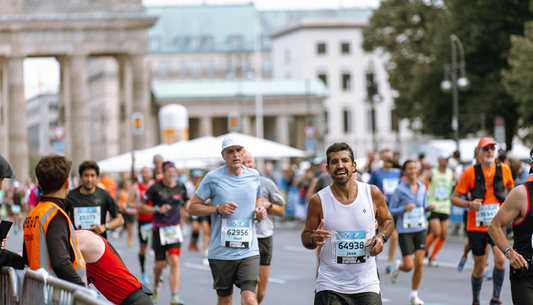

What Is the Lightest Running Singlet and Does It Matter?
Runners often look for the lightest running singlet. They want it to be light and feel good even when wet. A lightweight singlet might seem like a great choice at first.

But, it's not just about the weight. The singlet needs to perform well in hot and humid conditions. A fast-drying and non-clingy top can feel much lighter during long runs.
Some runners choose to run without a shirt to save weight. But, this can be uncomfortable when stopping or getting in and out of cars. A racing singlet offers a good balance: it covers you without feeling heavy.
In this guide, we look at more than just weight. A good marathon singlet should be light, breathable, and quick-drying. It should also fit well, last long, and prevent chafing.
NEDAO is a brand that started with a solution for a runner's blister. They focus on small details to make big differences. Their QiFlow singlet is designed to be ultra-light and keep your focus on your pace.
Why the “Lightest Running Singlet” Question Matters for Race-Day Performance
On race morning, “lightest” isn't just a number. It's the feeling of a singlet that stays calm on your skin. This happens when pace rises, sweat builds, and your form starts to fade.
Veteran runners often judge comfort by what happens after mile 10. A breathable lightweight running singlet that dries fast and doesn't cling can feel lighter. This is even if a thinner top turns sticky.

Weight vs. performance: what serious runners actually feel over long distances
After 18 years of running, Jael Agbayani has tested many singlets. He focuses on quick-dry fabric, reduced chafing, and a fit that won't grab the torso when you're soaked.
An ultralight running singlet for race day has to “disappear” in motion. Over long distances, seam placement, soft binding at the armholes, and low-friction fabric often matter more than saving a few grams.
When lighter can be worse: transparency, durability, and bounce
Very thin fabric can backfire. Once it gets wet, it may turn see-through, wear out faster, or feel unstable with extra “bounce,” if the cut is too loose up top.
A best racing singlet for marathon racing also needs smart construction. Clean edges, controlled stretch, and smooth interior stitching help prevent rubbing at the nipples, underarms, and along the chest.
- Transparency shows up under bright sun or heavy sweat.
- Durability drops when fabric pills or snags during training blocks.
- Bounce increases when the neckline and straps lack structure.
How heat, humidity, and sweat turn “lightweight” into “heavy” mid-race
Heat and humidity change everything. Sweat can load the fabric, and a top that felt airy at the start can feel heavier and stickier by the halfway point.
This is where moisture-wicking and fast dry time decide comfort. Many runners grab cheap local-store singlets for stops or group runs. But some fabrics aren't truly dri-fit and can cling or chafe once drenched.
In real conditions, the goal is steady comfort. A breathable lightweight running singlet that releases moisture, avoids skin-on-fabric drag, and stays smooth when the course and weather get tough.
Ultralight Running Singlet for Race Day: Why Weight and Breathability Matter
On race day, every gram counts. But a light singlet can feel heavy when it gets wet. The goal is a breathable singlet that stays cool against your skin, even when it's hot.

Runners love tops that dry fast, don't cling, and feel comfortable when sweaty. An ultralight singlet should be judged by how it handles heat and moisture, not just its weight.
Key performance criteria: breathability, moisture-wicking, quick-drying, and anti-chafe construction
Comfort is about airflow, sweat control, and skin protection. When these work together, you stay focused and maintain your form, even at marathon pace.
- Breathability that vents heat before it spikes
- Moisture-wicking that pulls sweat off the body instead of holding it
- Quick-drying fabric that avoids that soaked, heavy feeling mid-race
- Anti-chafe design that reduces friction at the neck, ribs, and underarms
An ultralight marathon singlet is great when it dries fast and feels smooth. This is the difference between being lightweight on paper and feeling light during tough miles.
Fit that supports pace: armhole cut, seam placement, and movement without cling
Fit is key, not just style. Armholes that are too tight can shorten your swing and add tension. Runners prefer wide armholes for a natural swing.
Seam placement is also important. Flat, well-finished seams reduce rub during long runs. The right cut prevents fabric from clinging, making breathing easy at any pace.
Durability and design details that hold up in training blocks and race weekends
Race-day gear must also withstand training. A true ultralight singlet should handle wash cycles, long runs, and race weekends without losing quality.
Look for details like clean stitching, stable hems, and fabric that doesn't pill. When these basics are consistent, the singlet remains reliable from the first tempo session to the final mile of a hot marathon.
How to Measure the Lightest Running Singlet: Dry Weight vs. Soaked Weight
Finding the lightest running singlet isn't just about looks. It's about how it feels during a long run. A good singlet should stay cool and dry, even when you're sweating a lot.
Dry weight basics: why grams matter (and when they don’t)
First, weigh your singlet when it's dry. Use a kitchen scale to get the grams. This helps you compare different singlets easily.
But, grams aren't everything. Thicker seams or extra layers can make a big difference. For runners, how it fits and feels is more important than a few grams.
Soaked-weight reality: sweat absorption can double perceived heaviness
Soaked weight is the real test. Wet the singlet, let it drip, then weigh it again. This shows how well it handles sweat.
Runners often say that some singlets hold too much sweat. This can make them feel heavy and uncomfortable. A good singlet should keep you dry and cool.
Dry-time advantage: why quick-drying fabric can feel faster than “lighter” fabric
Dry time is key. Hang the soaked singlet and see how long it takes to dry. In hot, humid weather, quick-drying fabrics can feel better than very light ones.
A singlet that dries fast stays comfortable and smooth. This is what runners remember most after a race.
- Dry weight shows baseline minimalism.
- Soaked weight shows sweat load and cling risk.
- Dry time shows how fast comfort returns in real conditions.
NEDAO’s QiFlow Collection: Ultralight Racing Singlet Design Built on Small Details
NEDAO started with a simple goal: stop blisters before they happen. This hands-on lesson taught them that small details make big differences in high-speed races.
The qiflow running singlet shows this idea in action. It focuses on comfort, fabric feel, and sweat control, not just speed. For those looking for a nedao professional singlet, comfort is key, not just looks.
QiFlow is incredibly light. A men’s size M weighs 30g, making it one of the lightest racing singlets in the world.
But it's not just about weight. When wet, QiFlow weighs 114g, compared to 218g for big brands. This difference is noticeable when you're sweating a lot.
In hot races, sweat can make clothes cling and slow you down. A good marathon singlet stays light when wet. This helps you focus on your race strategy.
QiFlow’s race-day lineup includes:
- Tough Cookie Limited Collection - QiFlow Racing Singlet
- Men’s QiFlow Racing Singlet - VORTEX
- Men’s QiFlow Racing Singlet V4.0
- Women’s QiFlow Racing Singlet - VORTEX
What Experienced Runners Say About Lightweight Singlets in Hot Weather
When it's hot and humid, runners focus on what feels right. Jael Agbayani, an 18-year runner, says a good singlet for hot weather is one that feels light on the skin. It should stay that way even after sweating a lot.
An ultralight racing singlet might not be perfect if it holds onto moisture. Jael notes that the fabric needs to dry quickly, let air through, and not cling. This is key to staying focused during a long run.
Fast-drying, non-cling comfort as a deciding factor
Jael believes the best gear is the one you don't notice. A lightweight singlet should get rid of sweat, keep its shape, and feel smooth. This is important, whether you're running fast or slow.
- Quick-dry fabric that doesn’t feel heavy at mile 10
- Non-cling drape that stays off the torso in humidity
- Soft handfeel that stays comfortable under a bib
Chafing avoidance: why “not truly dri-fit” fabrics can fail under sweat
Jael warns that many local singlets aren't truly dri-fit. When they get wet, they can cause irritation. This is because they rub against the body, making small issues big.
She values gear based on results. Even compared to other leading singlets, NEDAO QiFlow handles sweat and prevents chafing more effectively. Price isn't the main factor.
Wide armholes and natural swing: practical features that show up in real reviews
Details are important, not just in the store. Jael likes wide armholes because they let the arms swing naturally. This reduces drag, which is helpful when you're tired.
Runners often choose singlets with clean seams and good airflow. In hot races, a breathable singlet can make a big difference. It helps manage discomfort, not fight it all day.
Performance Features That Matter for Serious Runners
Price is just one factor in racing singlet running. The real test is how the fabric handles sweat, heat, and pace. A lightweight singlet might feel great at first but clingy later if it holds moisture.
Why some runners choose inexpensive local-store singlets or low-cost basics
Many runners start with inexpensive local singlets for convenience. It's fast to buy, low risk, and works for many daily miles.
For short runs, a looser cut is often preferred. It offers comfort and coverage. Some runners also like it for cooldowns, stretching, or quick stops. It's a simple, effective choice.
What premium singlets try to solve: fabric tech, seam finishing, and race-focused cuts
Premium singlets aim to stay stable under sweat. They use better yarns, dry faster, and have smoother seams. These features aim to prevent friction and hot spots.
Fit is also key. Professional racing singlets are designed for arm swing and airflow. They have cuts that reduce bounce and prevent fabric from sticking to the torso when wet.
Value test: performance parity claims vs high-price expectations
The real test is how the singlet performs in humidity. Some runners learn the hard way that cheap gear isn't truly dri-fit, leading to discomfort on long runs.
Yet, the market offers expensive options. The true value lies in verified comfort over distance. An ultralight singlet that dries fast and avoids chafe is worth it, even if it's not the most expensive.
Choosing a Racing Singlet for Marathon Conditions: Why NEDAO QiFlow Excels
Marathons are unforgiving. A top-notch racing singlet must have a few key features. It should be light, dry quickly, and feel comfortable. It also needs to prevent chafing.
When you sweat a lot, the wrong fabric can feel heavy and uncomfortable. This can slow you down in the final stretch.
The qiflow running singlet is designed for hot races. It's light, weighing just 30g in a men’s size M. Even when wet, it only adds 114g, compared to 218g for other brands. This means less drag and fewer distractions as you push through the last 10K.
NEDAO focused on solving common problems like friction and fabric bounce. They started with a runner's blister and made comfort a priority. This approach makes their singlet stand out for its comfort and performance.
For race day, NEDAO offers a few simple yet effective options. The tough cookie limited collection - qiflow racing singlet is a special edition. The men's qiflow racing singlet - vortex offers a clean cut. The men's qiflow racing singlet v4.0 is designed for heat and humidity. The women's qiflow racing singlet - vortex provides a fast, minimal feel for women.
Related Reading for Race-Day Performance
Choosing the right racing singlet is only one part of dialing in your marathon setup. If you’re refining your race-day kit from head to toe, these articles dive deeper into performance-driven details that matter over long distances.
What Makes a Racing Singlet Ideal for Marathon Race Day?
Explore how fit, fabric behavior under sweat, and construction details define whether a singlet truly performs when the pace rises and fatigue sets in.
Do Half Tight Shorts Boost Running Performance?
A closer look at how half tights support muscle stability, reduce friction, and complement lightweight singlets for long-distance race conditions.
FAQ
What do runners usually mean by the “lightest running singlet”?
Runners look for a singlet that's light in dry weight and stays comfortable when wet. In real marathon conditions, the best singlet is one that feels light even when it's hot and humid.
Should I judge the lightest running singlet by dry weight alone?
No, dry weight is just the start. The real test is how it feels in real marathon conditions. A singlet that absorbs sweat can feel heavy and clingy, even if it's light dry.
Why does the “world’s lightest racing singlet” claim matter for marathoners?
Marathoners need a singlet that stays breathable and moves moisture. The lightest singlet only matters if it avoids cling and chafing as the miles go by.
Why wear a racing singlet running instead of going shirtless?
Many runners prefer a singlet for practical reasons. It's comfortable during runs and doesn't get in the way when stopping or stretching.
What makes a professional racing singlet for marathon use “non-negotiable”?
The best singlet balances weight, breathability, and moisture-wicking. It should also dry fast, fit well, and last long without chafing.
Why do experienced runners say “light” is a feeling, not just a number?
Over distance, comfort matters more than grams. A singlet can be light but feel heavy if it clings or stays wet.
When can “lighter” be worse in a lightweight marathon singlet?
Thin fabrics can cling when wet and turn see-through. Durability, seam design, and fit are key for a good ultralight singlet.
What is the “mid-race weight gain” problem with singlets?
Sweat can make a singlet feel heavier and clingier. This is a big issue in hot and humid races.
What performance stack should an ultralight running singlet for race day deliver?
It should be breathable, wick moisture, dry fast, and prevent chafing. This keeps you comfortable and focused in tough conditions.
What does Jael Agbayani say matters most in a lightweight running singlet?
Jael Agbayani values a singlet that dries fast, doesn't cling, and prevents chafing. He focuses on these qualities for race-day performance.
Why do armholes matter in a race day performance singlet?
Armhole shape affects your arm swing and rhythm. Wide armholes help maintain a natural swing, reducing distractions.
How do seams affect chafing in a marathon racing singlet?
Seam placement and finishing can either reduce rubbing or create hot spots. Flat, well-finished seams are essential for long-distance comfort.
Why is durability part of choosing the lightest running singlet?
Marathon training and racing stress fabric and stitching. A durable singlet is key for race-day readiness.
How can I measure a lightweight singlet at home in a useful way?
Weigh it dry to compare minimalism. Then, test its soaked weight to see how it feels in real racing conditions.
Why is soaked weight the real test for the lightest running singlet?
Soaked weight shows how a singlet handles sweat. A singlet that holds moisture can feel heavy and clingy.
What is NEDAO’s background, and how does it connect to singlet design?
NEDAO started solving a runner's blister problem. It now focuses on small details for better performance, like QiFlow.
How light is the qiflow running singlet in dry weight?
QiFlow singlets weigh 30g for men's M, making them very light compared to major brands.
How does QiFlow perform when fully soaked compared with major brands?
Even soaked, QiFlow weighs 114g, much less than major brands. This is important in hot, humid races.
Which QiFlow options are available for race day?
QiFlow offers several options, including Tough Cookie Limited Collection - QiFlow Racing Singlet and Women’s QiFlow Racing Singlet - VORTEX.
Why do runners often buy cheap local-store singlets, and when is that enough?
Convenience and price drive many to buy cheap singlets. For some, a basic singlet is enough, even if it's not the best.
Why do cheaper singlets fail in hot weather and humid races?
Cheap singlets often don't wick moisture well, leading to cling and chafing. Jael Agbayani emphasizes the importance of breathability and moisture-wicking.
What do premium racing singlets try to solve that basics often miss?
Premium singlets focus on moisture management, fit, and durability. These details are key for comfort in hot weather.
How should marathoners choose the best racing singlet for marathon conditions?
Look for a singlet with low dry and soaked weight, fast drying, and comfort. A singlet that fails when wet is not ideal.
What makes NEDAO QiFlow a strong option for a professional marathon singlet?
QiFlow is light, weighing 30g dry, and 114g soaked. Its design focuses on preventing cling and chafing, making it a top choice for marathoners.
Is there a “best” men’s lightweight singlet or women’s lightweight singlet in the QiFlow lineup?
The best singlet depends on fit and preference. QiFlow offers clear options for both men and women.
What is the NEDAO professional singlet approach meant to deliver on race day?
NEDAO aims for race-day performance by staying breathable, drying fast, and preventing cling and chafing. This ensures comfort and focus in tough conditions.
Tags:
Previous
What Are the Best Mens Running Tights for Long-Distance Running?
Next
Mens Running Tights vs Shorts: Which Is Better for Runners?