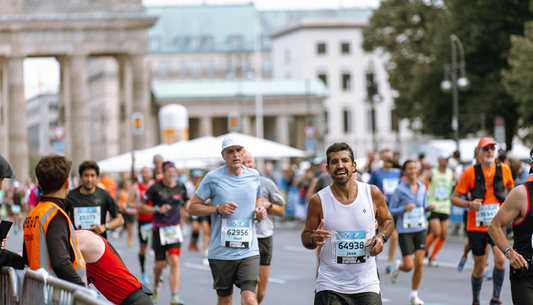

What Makes a Racing Singlet Ideal for Marathon Race Day?
Marathon race day is long and can turn small issues into big ones. Heat rises fast, sweat soaks through fabric, and a heavy top can pull with every step. This drag and rubbing at the neck or armholes can distract you when you need to focus.
Racing singlets are not just a style choice; they are a necessity for competitive races. They are made for speed and control, not just comfort. Regular running shirts might be okay for daily runs but can hold more moisture and flap in the wind.

We'll explore what makes a good lightweight running singlet for marathons. Look for an aerodynamic shape, low-weight construction, and fabric that wicks and dries well. Also, consider breathability, smart ventilation, and a fit that prevents chafing over 26.2 miles.
Choosing the right racing singlet also affects your mindset. The right kit can get you in race mode, reduce distractions, and simplify decisions on race day. This mindset is key to performing well in a marathon.
NEDAO is a brand that started with a runner's problem, not a business plan. Their focus on reducing pain, friction, and distractions is important. We'll discuss how sweat, cooling, and fabric behavior change during long runs.
Why a racing singlet beats a regular running shirt on marathon race day
On marathon morning, every little thing counts. A racing singlet is all about being light, cool, and distraction-free. Regular running shirts are great for training but can be too heavy and loose for racing.

Race-specific design differences that reduce drag and distractions
An ultralight racing singlet is made with minimal fabric and a sleek design. This is key when the wind blows or sweat makes the shirt cling. Less fabric means less movement and less resistance over long distances.
Race models often have a racerback shape to keep your shoulders free and support your arm swing. They also have special vent zones for airflow. These are usually under the arms and on the upper back to keep you cool without needing to adjust your shirt.
Purpose-built functionality for competitive contexts vs everyday comfort
A training tee is made for comfort all day, not for racing. A racing singlet is designed for speed, quick drying, and a snug fit. It's made to stay in place, even when you're wearing a bib and setting your pace.
Club and team singlets work the same way. They're made to move with your body, cut down on drag, and make you easy to spot in crowded areas. This helps with pacing and finding your group.
Performance benefits that matter at marathon pace: cooling, sweat control, and focus
At marathon pace, staying cool and dry is key to avoiding fatigue. A breathable racing singlet helps sweat evaporate quickly. This keeps you from feeling sticky and uncomfortable.
In hot weather marathons, a lightweight singlet means fewer distractions. It also helps you stay focused by keeping your setup simple. This lets you focus on the race without worrying about your clothes.
Racing singlet running: choosing a lightweight running singlet for marathon racing
A marathon is long, and small mistakes can be big problems. You want a kit that feels good at the start and the end. A lightweight singlet should stay cool and smooth, even when you're sweating a lot.

What “lightweight” really means when the miles and sweat add up
On race day, how it feels when you're wet matters more than the weight. The best lightweight singlet doesn't feel wet and clingy. It should be low absorption, dry fast, and fit well.
The lightest running singlet is one that moves with you. If it gets in the way or feels heavy, it's not light enough for racing.
Moisture-wicking fabrics that stay dry-feeling and help manage body temperature
Moisture-wicking fabrics pull sweat away from your skin. This helps you stay cool and run smoothly. A good ultralight marathon singlet keeps you dry, even when it's hot.
Many tops also have smooth finishes and minimal stitching. This reduces sweat buildup and rubbing, making your run more comfortable.
Breathability for hot weather marathons: airflow, quick-dry, and reduced overheating risk
Breathability is key in hot weather. Look for fabrics that let air through and dry quickly. This keeps you cool and prevents overheating.
In hot races, a lightweight singlet needs to breathe well. Good airflow helps you stay cool and run faster, even in the sun.
Choosing the right fabric family: polyester, nylon, blends, and small spandex content for shape retention
Fabric choice affects how a top feels during a marathon. Here are some tips for choosing a lightweight singlet:
- Polyester: It's a top choice for racing because it manages moisture well and lasts long. Its fibers help sweat evaporate fast.
- Nylon: It's soft and feels almost invisible. It's great for reducing irritation when you're sweaty and tired.
- Polyester-nylon blends: They offer a mix of durability, quick-dry, and comfort. They're good for long races.
- Small spandex/elastane content: It helps the singlet fit well and stay in place. This is important for keeping the singlet tidy as you get tired.
Brands often highlight moisture-wicking, quick-dry, and mesh panels. The key is how these features work together when you're wet and breathing hard. The right singlet should feel steady from start to finish.
Fit and construction details that prevent chafing over 26.2 miles
In a marathon, fit is key to performance. A singlet that shifts or holds sweat can cause discomfort. A good marathon singlet should stay put, even when wet.
Racerback and shoulder cut for unrestricted arm drive and upper-back mobility
A clean shoulder cut helps your stride stay smooth. Many runners like racerback shapes for better arm drive and back mobility. Both men's and women's marathon singlets aim for a fit that moves freely without pulling on the neck.
Seams and finishing that minimize friction points during long runs
Seams are important as miles go by. Look for flat, smooth finishes that don't chafe. An ultralight singlet can be tough if its stitching is neat and edges are bound well.
Stability and anti-flap fit: why a dialed-in silhouette helps aerodynamics and comfort
A singlet that's too loose can flap and catch the wind. Too tight, and it might pinch when you breathe. The ideal fit is snug but not too tight, with enough coverage to stay in place. A bit of elastane helps it keep its shape, even after hours of sweat.
Ventilation zones and mesh placement in high-heat areas like the back and underarms
Good airflow is built into the design, not added later. Mesh or perforated zones in the back and underarms help cool you down. This is why top marathon singlets focus on ventilation, not extra fabric.
The psychology of race-day gear: confidence, focus, and ritual
Race morning is full of energy, even before the start. The right outfit helps you focus on what's important: your breathing, rhythm, and the next stretch. For many, wearing a racing singlet is more than a fashion choice. It's a mental signal that says, today is race day.
Feeling ready for the race often begins with reliable details. A well-made marathon singlet moves with you, saving energy. This means you can stay calm and focused, saving your best for the end.
Choosing the same gear every time helps keep your mind clear. It creates a simple routine: pin the bib, check your gels, and go. This simplicity helps keep nerves at bay.
Comfortable gear is key to performing well. When you're not distracted by discomfort, you can maintain your pace and stick to your fuel plan. A singlet you've tested in long runs is one less thing to worry about on race day.
Team identity is important, too. Matching colors and logos make it easier for friends and coaches to find you. This recognition can boost your mood when you need it most. A consistent look can also give you the strength to push through tough moments.
- Confidence cue: the same race kit signals “ready to compete”
- Lower mental load: fewer decisions means calmer pre-race minutes
- Visibility: team colors help on-course spotting and support
NEDAO QiFlow racing singlets: detail-driven ultralight performance for marathon race day
NEDAO solved a runner's problem: small issues become big after mile 18. The QiFlow line aims to reduce friction, stop flapping, and keep you focused. It's designed for marathon day, ensuring you stay cool, light, and comfortable.
The numbers show why "ultralight" is key. A men's M QiFlow singlet weighs 30g dry. Wet, it's about 114g. This is less than typical brands, which can weigh up to 218g. Less weight means less drag and a freer feel late in the race.
The singlet's design focuses on what matters most: keeping you cool and dry. It's made to breathe and fit well, so you can run without distractions. This is perfect for when weather, pace, and sweat all add up.
The lineup includes the Tough Cookie Limited Collection - QiFlow Racing Singlet, men's qiflow racing singlet - vortex, men's qiflow racing singlet v4.0, and women's qiflow racing singlet - vortex. The goal is the same: stay light under sweat, avoid hot spots, and keep your rhythm.
If you’re curious how a racing singlet differs from a regular running shirt in design, fit, and performance intent, you may also find this helpful: What Makes a Racing Singlet Different from a Regular Running Shirt?
FAQ
What makes a racing singlet ideal for marathon race day?
Marathoners face heat, sweat, and drag on race day. A good racing singlet running solution keeps you cool and stable. It also helps you stay focused as the race gets tough.
Why does a racing singlet beat a regular running shirt in a marathon?
Racing singlets are meticulously crafted for competitive contexts. They focus on function and performance. Regular running shirts are more about comfort, which can slow you down in a marathon.
What are the most important decision criteria when choosing a marathon racing singlet?
Look for aerodynamic design and lightweight construction. Also, choose moisture-wicking and quick-dry fabrics. A good fit and seam finishing prevent chafing. These features help you stay focused and maintain your pace.
How does aerodynamic design matter in a professional racing singlet for marathon performance?
A streamlined cut reduces wind resistance and fabric flapping. This saves energy and prevents irritation. A close-to-body fit is key, even when wet, to avoid drag.
What “lightweight” really means for an ultralight marathon singlet?
“Lightweight” means the singlet doesn't get heavy when wet. It should stay light and dry to avoid drag and heat buildup.
Why do moisture-wicking and quick-dry fabrics matter so much at marathon pace?
Moisture-wicking fabrics keep you cool by moving sweat away from your skin. Quick-dry materials prevent a heavy, clingy feeling. This keeps you comfortable and focused.
What makes a breathable racing singlet for hot weather different from a standard top?
A breathable racing singlet for hot weather has special knits and mesh panels. These help cool you down, keeping you comfortable in the heat.
Which fabric family is best for a lightweight running singlet on race day: polyester, nylon, or blends?
Polyester is the top choice for racing because it wicks sweat well and lasts long. Nylon offers a soft, smooth feel. Blends aim to balance comfort and durability.
Why is a small amount of spandex or elastane useful in an ultralight racing singlet?
A bit of spandex keeps the singlet stable and comfortable. It prevents sagging and flapping, improving your performance.
How should a marathon racing singlet fit to reduce chafing and distractions?
Choose a snug but not tight fit. It should stay close to your body to avoid irritation. A good fit keeps you focused on your race plan.
Why do racerback and shoulder cuts matter in a racing singlet?
Racerback designs offer freedom of movement. They help you maintain your form and avoid fabric interference.
What seam and finishing details help prevent chafing over 26.2 miles?
Look for flat seams to reduce friction. Clean finishes around the armholes and neckline also help prevent chafing.
Where should ventilation zones be placed on a racing singlet for hot weather marathon conditions?
Place ventilation zones in high-sweat areas like the underarms and back. This helps keep you cool and comfortable.
How can an ultralight running singlet for race day affect mental performance?
Specialized gear boosts confidence and focus. It helps you stay cool and comfortable, keeping your mind on the race.
Why do repeatable race-day kit choices matter for marathon focus?
Consistent gear choices reduce stress and decision fatigue. Familiar singlets align you with your goals and reduce uncertainty.
Are club or custom racing singlets practical for marathons, or mostly about style?
They can be practical. Club-style singlets are designed for comfort and visibility. They help you stay focused without compromising performance.
What is NEDAO, and how does that philosophy connect to marathon singlet design?
NEDAO focuses on reducing pain and distractions in long runs. It's a useful approach for evaluating marathon tops.
What is the NEDAO QiFlow series, and which singlets are included?
QiFlow is NEDAO's line of detail-driven, ultralight singlets. It includes the Tough Cookie Limited Collection - QiFlow Racing Singlet, Men's QiFlow Racing Singlet - VORTEX, Men's QiFlow Racing Singlet V4.0, and Women's QiFlow Racing Singlet - VORTEX.
What weight data is available for the QiFlow lightweight singlet, and why does it matter?
A men’s size M QiFlow singlet weighs 30g dry. It reaches about 114g when wet. This is lighter than many other brands, reducing drag and heat buildup.
Is QiFlow positioned as the world’s lightest racing singlet or the best racing singlet for marathon?
QiFlow is judged by its performance, not just its weight. It's designed to stay cool, dry, and comfortable, supporting your marathon goals.
Do QiFlow options work for both marathon racing singlet men and marathon racing singlet women needs?
Yes. QiFlow offers dedicated men’s and women’s options. They aim to provide a stable, low-friction, ultralight marathon singlet for all runners.
How do I know if a racing singlet for hot weather marathon conditions will stay comfortable late in the race?
Look for moisture-wicking, quick-dry fabrics and ventilation zones. A good fit that resists sagging when wet is also key. A well-designed racing singlet for hot weather marathon should stay light and comfortable all race long.
Tags:
Previous
Do Half Tight Shorts Boost Running Performance?
Next
How to Choose the Best Mens Running Tights for Training Race Day?