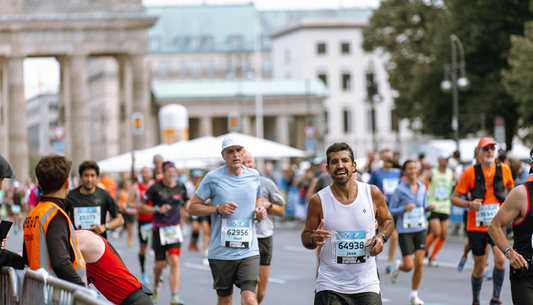

What Is the Best Racing Singlet for Marathon Running in Hot Weather?
In a U.S. summer marathon, what runners look for in the best singlet is clear. It must stay cool when it's hot, sweat doesn't slow you down, and the sun's rays are strong. The top choice should keep you feeling light as the race goes on.

A good running singlet isn't just thin. It must also dry quickly, not cling to your skin, and feel smooth. If it holds sweat, it can feel like extra weight and trap heat.
A smart singlet also tackles small issues that can become big problems by mile 20. Less irritation, fewer hot spots, and better sweat control mean you can stay focused and pace well.
This guide goes beyond quick try-ons and short runs. A top singlet is tested in real conditions—long runs, fast-paced blocks, and sunny days. That's when you really see if it works.
You'll learn key performance tips and see a detailed example: NEDAO's QiFlow racing singlet series. They're made for comfort in hot marathons. Our aim is to help you pick gear that cools you, protects your skin, and keeps your mind on the finish.
Why hot-weather marathon racing demands a purpose-built racing singlet
Summer marathons in the U.S. face heat, thick humidity, and sun glare. A racing singlet is key for sweat management and sun protection. It's about staying cool, not just looking good.

Heat, humidity, and UV exposure increase the performance cost of heavy or slow-drying fabric
In humid weather, sweat doesn't dry quickly. A breathable singlet helps keep you cool. Heavy or slow-drying fabrics can make you feel weighed down.
UV protection is important, but it shouldn't trap heat. The best tops balance sun protection with ventilation. This way, you stay cool without feeling overheated.
Long runs and goal races amplify small comfort issues like cling, seam rub, and trapped sweat
A good racing singlet should handle stress well. It shouldn't cling, rub, or trap sweat. Small issues can become big problems by the end of the race.
Humidity also makes strap rub worse. Wet fabric can cause friction, making it harder to run. Trapped sweat can make things worse.
| Hot-weather stressor | What it can do during a marathon | What to look for in a singlet |
|---|---|---|
| High heat + direct sun | Higher skin temperature and faster fatigue when heat can’t escape | Ventilated knit that stays airy while providing coverage |
| Humidity | Slower evaporation, more cling, and a damp feel that won’t quit | Fast moisture transport and low water retention |
| Thunderstorm rain | Sudden saturation that adds weight and increases chafe risk | Slim profile fabric that drains and dries quickly |
| Salt sweat + gear contact | Seam rub, strap rub, and burning hot spots over time | Smooth seams, clean arm openings, and less fabric bunching |
The right hot-weather kit supports cooling strategies and consistent pacing
Cooling is key in the heat. Runners use water and ice at aid stations. A wet neck gaiter can cool quickly.
A lightweight singlet helps maintain form and rhythm. It's a performance choice, not a luxury. Every small drag matters in a marathon.
Best racing singlet for marathon: how runners define the lightest running singlet
Marathoners don't just look at scales to find what's "light." They seek a top that feels good even when they're sweating a lot. It should be easy to wear, even at the end of a long race.

They also check how the singlet performs in tough conditions. Salt, sweat, and long runs can make small issues big. A good singlet should be almost invisible, even in hot weather.
What “lightest” really means for race day: low bulk, minimal water retention, and fast evaporation
“Lightest” means the singlet is not bulky and doesn't hold a lot of water. Some fabrics are okay when dry but become heavy and clingy when wet. This is a big problem when it's over 75°F.
Try a simple test: wet the singlet and run for a bit. The best singlet will stay light, dry quickly, and won't drag you down.
Breathability as airflow + moisture transport, not just thin fabric
Breathability is more than just being thin. It's about letting air in and moisture out. A thin shirt that traps sweat can feel hotter than a slightly thicker one that lets vapor escape.
That's why claims of being the lightest only matter if the fabric also dries fast. When sweat can evaporate, you stay cool and the singlet feels comfortable, not sticky.
Chafe prevention under marathon conditions: arm openings, neckline, and seam placement
Chafe is about repeated irritation, not just one bad moment. The right fit, from underarm height to neckline shape, is key. Look for flat seams and clean edges to avoid chafing.
Also, consider how the singlet fits with your gear. The wrong seam can be a problem with a hydration vest. The right design keeps you comfortable under belts and packs.
| Runner test | What to notice | What it signals for race comfort |
|---|---|---|
| Soak test (fully wet) | Does it cling or feel heavy when saturated? | Whether the lightest running singlet stays light after sweat or cooling dunks |
| Midday tempo in heat | Does the fabric vent, or does it trap warmth? | If breathability is real airflow plus moisture transport |
| 60–90 minutes with a hydration vest | Any hot spots at the neckline, underarms, or shoulder contact points? | Whether seam placement and edges reduce strap rub over long miles |
| Salt check after drying | Stiffness, crusty patches, or rough edges? | How the ultralight running singlet for race day handles sweat residue over time |
Key features to look for in a lightweight running singlet for race day
In a hot marathon, a singlet can feel perfect at mile 2 and wrong at mile 22. The most useful features show up under steady sweat, heat, and nonstop arm swing.
Ultralight racing singlet materials designed to remain comfortable when saturated with sweat
An ultralight racing singlet should stay soft even when it’s fully soaked. Look for smooth, perforated mesh that doesn’t turn rough or sticky once it’s wet.
Pay attention to how the fabric feels on the inside, not just how thin it looks. A stable knit that keeps its shape can reduce bunching and the “wet towel” feel.
Fast-dry racing singlet for race day: performance benefits of quick-drying knits and finishes
A fast-dry racing singlet for race day helps after you pour water on yourself, grab sponges, or get hit by humidity. When fabric releases moisture fast, it feels lighter and lets heat escape sooner.
Many hot-weather designs use a mix of hydrophobic and hydrophilic yarn behavior to move sweat outward while limiting that heavy, saturated drag. The payoff is a singlet that recovers quickly between aid stations.
Sweat-resistant lightweight running singlet design cues: reduced cling and less “water weight”
A sweat-resistant lightweight running singlet isn’t about staying dry; it’s about staying functional. Fabrics described as not clingy when sweat-drenched tend to hover off the skin, so air can move and sweat can evaporate.
Helpful cues include subtle texture, micro-mesh panels, and a slightly structured drape. These details can limit “water weight” and reduce that stuck-on feeling across the chest and lower back.
Cut and mobility for a professional racing singlet for marathon efforts
A professional racing singlet for marathon pacing should disappear once you start running. Check for clean arm openings, a stable neckline, and low-bulk seams that won’t fight repetitive arm swing.
The best race fit is close but not tight, with enough room to breathe when your form changes late in the race. If the hem stays put and the shoulders don’t pinch, you spend less time adjusting and more time holding pace.
| Feature to check | What to look for | Why it matters in heat |
|---|---|---|
| Wet comfort | Soft inner face, perforated mesh, non-scratch feel | Helps prevent irritation when sweat stays constant for hours |
| Drying speed | Quick-drying knit, moisture-moving yarn mix, light finish | Reduces the heavy, soaked sensation after cooling with water |
| Low cling | Fabric that “hovers” off skin, subtle texture, steady drape | Improves airflow and limits the sticky, trapped-sweat feel |
| Mobility | Open armholes, smooth seams, no excess bulk at shoulders | Supports relaxed arm swing and fewer distractions at marathon pace |
Fit, comfort, and chafing control for marathon pace
At marathon pace, fit is comfort in disguise. Every arm swing repeats thousands of times. A small pinch can turn into a hot spot. A lightweight running singlet should feel steady on your torso, not bounce, flap, or twist when you surge or settle.
What seems fine in a store can fail on mile 18 in 85-degree heat. For racing singlet running, wear-test with your full kit, including gels, bib, and anything that adds friction. Seams, labels, and raw edges can become dealbreakers once sweat and salt build up.
Shoulder and arm design matters more than most runners expect. Wider straps can spread pressure under a hydration pack and reduce strap rub. A higher armpit cut can also limit underarm contact with wet skin, which helps a professional marathon singlet men women stay comfortable over long miles.
Sizing is another reality check. Many performance tops run snug, and a tight chest or midsection can trap sweat and increase cling. In hot races, some runners size up in a lightweight singlet to improve airflow and lower friction without losing range of motion.
| Fit detail | What it prevents | What to check on a long run |
|---|---|---|
| Neckline that stays flat | Front-of-neck rubbing and salt sting | Does it stay put when you look down at your watch and when the fabric is wet? |
| Arm openings with enough clearance | Underarm chafe and skin-on-fabric grinding | Do you feel any drag during faster cadence or when your arms swell with heat? |
| Strap width and placement | Pressure points from hydration vest straps | With a loaded vest, do the straps press into one edge or spread load evenly? |
| Hem length and grip | Fabric slap and riding up | When drenched, does it cling to the stomach or stay smooth during downhill running? |
When you’re soaked, the best pieces are often described as weightless and “not clingy when sweat-drenched.” That’s usually a sign the fabric manages moisture and the cut keeps it off high-friction zones. A lightweight running singlet that moves freely through the shoulders will keep form more relaxed late in the race, which is exactly what you want from racing singlet running.
Breathable racing singlet for hot weather and sun exposure management
Managing heat is more than just thin fabric. A good racing singlet for hot weather should let air through, get rid of sweat, and feel cool against your skin. For marathoners, this comfort can help you run safer when it feels like an oven.
Ventilation zones and how they help in high temperatures and humidity
Look for specific ventilation zones, not just a light feel. Perforated knits, open mesh, and high-airflow panels help dump heat. In humid weather, air reaching sweat is key for evaporation.
A lightweight singlet can feel heavy if it clings and traps moisture. Mesh strips in key areas can prevent this, making you feel less sweaty and less salty.
Fabric density vs. sun protection tradeoffs in hot-weather running apparel
There's a tradeoff between airflow and coverage. Sheer fabrics let in more air but offer less UV protection. It's smart to treat UV control as part of your kit.
If your singlet is very airy or light colored, apply sunscreen under the fabric. A hat and sunglasses help, but exposed seams and openings can get direct sun.
Staying cooler through evaporation: why quick-drying matters when you’re sweating nonstop
Quick-drying is key for comfort and cooling. When you're sweating a lot, you want moisture to evaporate fast. This is why fabric choice and knit structure are important.
During races, many runners pour water on themselves or use ice under the collar at aid stations. A quick-drying singlet helps this tactic, avoiding a damp, heavy feeling for miles.
| Hot-weather need | What to look for in the singlet | What to do on race day |
|---|---|---|
| Heat release in humidity | Open mesh or perforations on upper back and side panels | Unzip or loosen any outer layer early; keep airflow on climbs |
| Lower cling and rub | Smooth binding, wider arm openings, minimal seam ridges | Use anti-chafe balm where salt tends to crust (underarms, collarbone) |
| Sun exposure control | Slightly denser front panel or darker fabric in high-sun zones | Apply sunscreen under the singlet and reapply at mid-race if needed |
| Fast evaporation after water or sweat | Low water retention knit that dries quickly when saturated | Use aid-station water for cooling without soaking the fabric for long |
Race-day testing principles inspired by real-world runner feedback
In a store, almost any top can feel “fine.” But, out on summer roads, the truth shows up fast. To stay comfortable, you must test it like you race.
Why wear-testing matters: issues that only appear after sustained sweat, heat, and miles
Small problems can take time to surface. A seam that feels smooth at mile two can start to scrape once salt builds up. Fabric can also change when it’s soaked, then blasted by sun and wind.
Many experienced runners lean on a simple model: wear hot-weather tops through real volume, not just a short shakeout. Weeks of 30–45 miles, a steady five-mile tempo, a long trail run, or even a 50K will show whether the lightest running singlet keeps its shape and avoids cling when it’s drenched.
How hydration vests and belts can change singlet comfort (strap rub, trapped heat)
Hydration gear can turn a great fit into a hot spot. A vest strap can pinch fabric near the collarbone, and a belt can trap sweat at the lower back. Even a professional racing singlet for marathon pace needs to be checked under the exact pressure points you’ll use on race day.
Some runners like a thin layer between skin and pack to reduce rubbing, but it can also create friction where fabric bunches. Pay attention to strap edges, chest clips, and side panels where heat can build.
What to simulate in training: long runs, marathon-pace blocks, and mid-day heat exposure
To compare your options for the best racing singlet for marathon conditions, simulate the stress you expect in July and August. Try a long run with a marathon-pace block in mid-day heat, around 85°F, and note if the fabric sags, turns heavy, or starts to flap.
Add a cooling test too. Practice dunking or dousing the singlet the way you might at an aid station, then watch how quickly it drains and dries while you keep moving. A top that stays light after a soak is often the best sign you’ve found a true race-day piece.
| Wear-test scenario | What to watch for | What it tells you |
|---|---|---|
| 60–90 minutes in mid-day heat with steady effort | Cling on the torso, sweat pooling, neckline stretch | Whether the ultralight running singlet for race day stays stable when saturated |
| Long run with a 20–40 minute marathon-pace block | Arm opening rub, side seam irritation, fabric bounce | If the professional racing singlet for marathon pacing remains smooth at faster cadence |
| Hydration vest session (filled soft flasks) | Strap rub at traps and ribs, trapped heat on the chest and back | How the singlet behaves under compression and friction zones |
| Belt carry with gels plus phone | Lower-back bunching, waistband creep, hot spots at the hips | Whether the lightest running singlet stays flat under movement and load |
| Douse-and-go cooling drill during a tempo | Dry time, water weight feel, chafing as it re-dries | How close it performs to the best racing singlet for marathon heat and humidity |
NEDAO and the QiFlow series: ultralight marathon racing singlet design focused on comfort
NEDAO was born from a simple problem: blister pain from heat, sweat, and friction. A runner, tired of small issues, created gear for real comfort. Marathon prep is all about avoiding irritation that builds up mile by mile.
In hot races, the focus is on small details that affect pace. This includes moisture traps, rubbing edges, and heavy fabric. A detail-first approach aims to keep the kit quiet and predictable in loud conditions.
NEDAO’s origin story: a runner solving blister problems by obsessing over small comfort details
The early blister problem led NEDAO to focus on wear points. They look at where sweat gathers and where fabric folds. These small choices can make a big difference in comfort, from mile 3 to mile 23.
How that same philosophy translates to racing singlet running needs in hot marathons
Comfort in hot marathons builds up over time. A singlet that holds water can cling and rub. But one that dries fast and stays airy tends to stay off the skin, reducing friction.
| Hot-weather stress point | What runners feel over miles | Detail-driven design target |
|---|---|---|
| Sweat saturation | Fabric feels heavier and sticks | Low water retention and faster evaporation |
| High humidity | Airflow drops and cooling slows | Breathable knit structure that keeps moving air |
| Repeated arm swing | Underarm rub and edge bite | Smoother openings and thoughtful seam placement |
| Race belts and vests | Hot spots where straps press | Reduced bulk in contact zones |
QiFlow series performance intent: exceptionally light feel and fast-drying comfort in the heat
The QiFlow series aims for a "barely there" feel, even when wet. It's designed to stay light, dry fast, and avoid cling. This makes a big difference in training, where a good top can make all the difference.
For those seeking the lightest singlet, it's not just about looks. It's about how it performs after sweat cycles. Fast-drying builds help keep cooling, supporting steady effort in heat and humidity.
QiFlow collection mentions
The QiFlow lineup includes the tough cookie limited collection - QiFlow racing singlet. It also has Men's QiFlow Racing Singlet - VORTEX, Men's QiFlow Racing Singlet V4.0, and Women's QiFlow Racing Singlet - VORTEX. Each is designed for heat management and long-run comfort, perfect for tough conditions.
Choosing a professional marathon singlet for men women: practical checklist for US runners
For U.S. summer marathons, start with sweat math. Pick a professional marathon singlet that stays light when soaked. It should shed water fast and let air move across your chest and back. Look for thin knits that don't hold moisture, and open panels or mapped venting where heat builds.
If it dries fast after a pour of water, it will usually stay calmer on race day.
Next, protect your skin over 26.2 miles. Check underarm openings for rub, and make sure the neckline lies flat when you breathe hard. Scan seams for thickness and placement, as small ridges can turn into raw spots once salt builds up. A good singlet should stay soft when drenched, not sticky or scratchy, even late in the race.
If you run with a hydration vest or belt, treat it like part of the fit test. Shoulder fabric should sit smooth under straps, without bunching or hot spots. Do a long run with your full setup, then add a “wet test” by dousing the singlet to see if it gets heavy or clings. Also plan for sun: ultralight fabric can mean lower UPF, so sunscreen matters most in mid-day heat.
If you want a detail-driven option built for hot, high-sweat efforts, look at the NEDAO QiFlow series and the Tough Cookie Limited Collection - QiFlow Racing Singlet. Within that line, men’s QiFlow racing singlet - vortex and men's QiFlow racing singlet v4.0 are designed around low bulk and fast dry comfort. Women's QiFlow racing singlet - vortex targets the same stay-light feel for warm race conditions.
Further Reading for Race-Day Preparation
If you’re refining your race-day setup beyond a singlet, you may also find our guides “How to Choose the Best Men’s Running Tights for Training & Race Day” and “What Makes a Racing Singlet Ideal for Marathon Race Day?” helpful for dialing in comfort, fit, and performance under real race conditions.
FAQ
What does “best racing singlet for marathon running in hot weather” really mean in the U.S.?
It means staying cool and comfortable while running long distances in the heat. The best singlet helps manage heat and keeps you dry and comfortable for 26.2 miles.
Why does hot-weather marathon racing demand a purpose-built lightweight running singlet?
Summer racing is tough due to heat, humidity, and glare. A lightweight singlet is designed to move moisture and release heat, keeping you cool even when wet.
How do heat and humidity make the wrong fabric a performance penalty?
Heavy, moisture-holding fabric can feel heavy when wet. In hot marathons, this extra weight can make the second half harder than it needs to be.
Why do small comfort issues matter more over a marathon?
At marathon pace, small issues like seam rub and cling can add up. These issues can distract you from your pace and fueling.
What does “lightest running singlet” mean beyond scale weight?
It means a singlet that feels light even when wet. The lightest singlet minimizes water retention and doesn't cling, keeping you comfortable.
What makes an ultralight racing singlet feel “light and airy” in the heat?
Breathability is key. Perforated mesh and smart yarns help with airflow and moisture transport, keeping you cool.
How important is quick-dry performance for an ultralight running singlet for race day?
Quick-dry performance is a big advantage in hot weather. A fast-drying singlet keeps you feeling light and dry, not wet and heavy.
What design cues reduce cling in a sweat-resistant lightweight running singlet?
Look for fabrics that don't cling when wet and a cut that fits well. These features improve airflow and reduce sticky feelings in humidity.
Which fit details matter most for chafe prevention in a breathable racing singlet for hot weather?
Underarm height, strap width, and neckline shape are key. A well-designed cut prevents chafing and keeps you comfortable for hours.
How does hydration-vest use change what you should look for in a professional racing singlet for marathon efforts?
Vests can trap heat and cause friction. Look for wide straps and smooth edges to reduce chafing and improve comfort.
Should you size up in a lightweight singlet for hot weather marathons?
In some cases, yes—especially in humid conditions where airflow and reduced friction matter more. Sizing up can reduce friction and improve airflow, which is important in humid conditions.
What’s the best way to test a racing singlet running setup for summer conditions?
Wear-testing is better than in-store feel. Test in hot conditions with your hydration gear and at marathon pace.
What is the “wet test,” and why does it matter for the world’s lightest racing singlet feel?
The wet test involves getting the singlet wet to see how it feels. It shows if the singlet weighs you down when wet and how quickly it dries.
How should runners think about UV exposure when choosing a racing singlet for a hot weather marathon?
UV protection is important in summer. Choose a singlet that offers protection and consider using sunscreen for extra safety.
Can a highly breathable singlet provide enough sun protection?
Not always. Some breathable layers may not offer enough UPF protection. It's better to use sunscreen and seek shade too.
How does the right kit support race cooling strategies?
Use cold water and ice at aid stations for cooling. A quick-drying singlet helps with evaporation, keeping you cool.
What materials or fabric strategies help a professional marathon singlet stay comfortable when saturated?
Look for soft, moisture-wicking fabrics. Some use special yarns for fast drying and sweat transport.
Why can a singlet feel fine on a short run but fail on marathon day?
Short runs don't simulate marathon conditions. What feels okay at first can become a problem after hours of running.
What’s the most useful checklist for choosing the best racing singlet for marathon heat?
Look for low water retention, quick drying, and good airflow. Also, check for chafe control, pack compatibility, and UV protection.
What is NEDAO’s approach to hot-marathon comfort?
NEDAO focuses on small details to improve performance. They aim to solve issues like cling and sweat management for comfort.
How is the QiFlow series positioned for hot-weather marathon racing?
The QiFlow series is designed for summer comfort. It offers a light feel, fast drying, and reduced cling for better performance.
Which QiFlow products are included in the collection ecosystem?
The series includes the Tough Cookie Limited Collection - QiFlow Racing Singlet, Men's QiFlow Racing Singlet - VORTEX, Men's QiFlow Racing Singlet V4.0, and Women's QiFlow Racing Singlet - VORTEX.
Is the QiFlow series a good option for a professional marathon singlet men women can race in?
Yes, it's designed for both men and women. It focuses on mobility, low bulk, fast drying, and chafe prevention for summer racing.
Tags:
Previous
How to Choose the Best Mens Running Tights for Training Race Day?
Next
What Are the Best Mens Running Tights for Long-Distance Running?